

When I launched my book, Living Well, Healthy and Long: A Compendium of Health for Seniors (40+), in Accra on June 18, 2026, I did so with a simple but deeply held conviction: ageing should not be feared, it should be celebrated.
At a time when much of the world still viewed ageing largely through the lenses of disease, dependency and decline, I argued that growing older is not the end of living but its continuation. Ageing, I believe, is living.
It is therefore both gratifying and encouraging to see major global institutions now advancing a remarkably similar message.
Recently, the World Health Organisation's "Ageing is Living: A Strategy for Promoting a Lifetime of Health and Well-being in the WHO European Region 2026-2030" was adopted as part of the Second European Programme of Work (EPW2). The strategy promotes healthy ageing through prevention, dignity, participation, age-friendly environments and lifelong well-being.
At the same time, the International Pharmaceutical Federation (IPF) has strengthened its global focus on healthy longevity, prevention and integrated care for ageing populations.
For Ghana, these developments are more than international policy announcements. They are a wake-up call to confront one of the greatest public health challenges of our generation: healthy ageing.
Traditionally, Ghanaian society respect older people. Our culture regards elders as custodians of wisdom, family history and community values.
In many homes, grandparents remain the moral anchors of the family. Yet, despite the deep cultural respect accorded them, public discourse often focuses more on the challenges of ageing than on the opportunities it presents.
That must change
The real challenge facing modern societies is not merely helping people live longer. It is helping them remain healthy, active, independent, and enjoy more meaningful lives for as long as possible.
We, therefore, need to move beyond asking, "How long can we live?" and begin asking, "How well can we live?"
Years added to life must also mean life added to years.
Healthy ageing does not begin at 60 or 70. It begins much earlier. The eating habits, physical activity, preventive health practices and lifestyle choices adopted in middle age largely determine the quality of life in later years.
This is why health promotion and prevention must become national priorities.
Ghana is already experiencing demographic change. More people are living longer than previous generations, thanks to improvements in health care, education and public health.
This is a success story. However, it also requires us to prepare for a future where healthy ageing becomes an important development issue.
Communities must become more age-friendly. Families must be encouraged to support active ageing. Health professionals must place greater emphasis on preventive care. Policymakers must recognise that investment in healthy ageing is not a social cost but a national asset.
As pharmacists, we also have a critical role to play. Beyond medicines, pharmacists can support disease prevention, health education, vaccination, medication management and healthier lifestyles. The growing international recognition of pharmacists' role in healthy longevity is therefore welcome.
Above all, we must challenge negative perceptions of ageing.
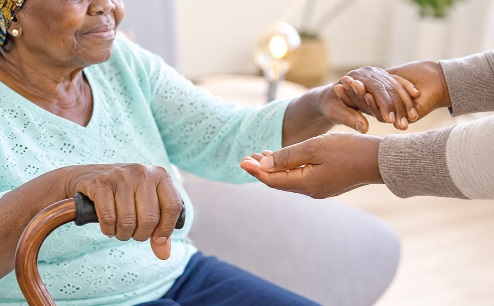
An older person is not a burden.
An older person is a storehouse of experience.
A retiree is not someone whose usefulness has ended.
A retiree is someone entering a new chapter of contribution.
A grandparent is not a relic of the past.
A grandparent is a bridge to the future.
The message emerging from global health institutions resonates strongly with a conviction I have long held: ageing is not the opposite of living.
Ageing is living.
For Ghana, that message should become more than a slogan. It should become a national commitment, inspiring individuals, families, communities and institutions to help every citizen live well, healthy and long.
An older person is not a burden. An older person is a national asset. Ageing is not the opposite of living. Ageing is living.
The writer is a consultant pharmacist and educator, a Fellow of the Ghana College of Pharmacists and the West African Postgraduate College of Pharmacists, and author of “Living Well, Healthy and Long: A Compendium of Health for Seniors (40+).”
