
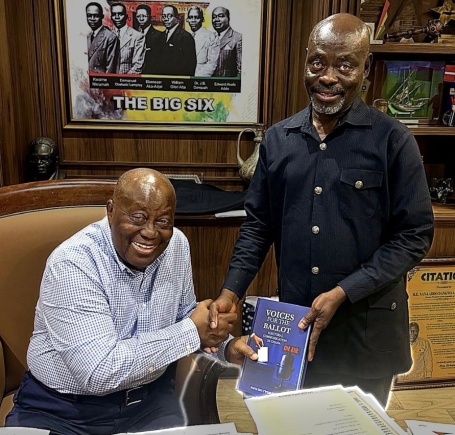
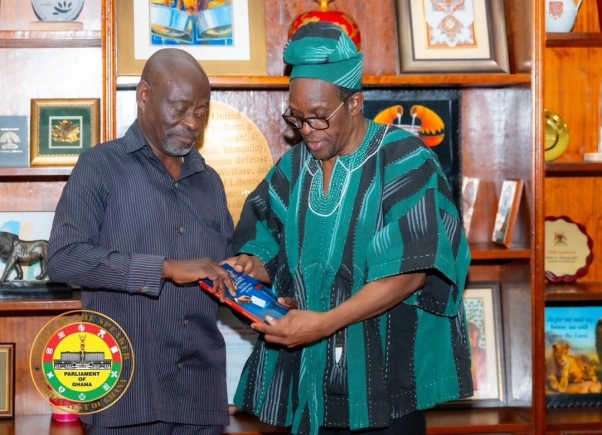
International journalist, strategic communication consultant, author and trainer, Nana Sifa Twum is launching a book on electoral communications in Ghana, a publication that examines political messaging, media influence and the future of democracy; public dialogue.
The new book, "Voices for the Ballot: Electoral Communications in Ghana", will be launched on Thursday, October 29, 2026, at the forecourt of the Ghana International Press Centre, opposite the British High Commission in Accra at 4:00 p.m.
The book examines the role of communication in Ghana’s electoral processes and democratic development, exploring how political parties, candidates, journalists, media organisations, electoral institutions and other stakeholders use communication to influence public opinion, shape voter perceptions and affect electoral participation.
Drawing on Ghana’s electoral experiences, the publication explores political campaign strategies, traditional and digital media, political rhetoric, campaign messaging, voter education, the influence of grassroots communicators and the responsibilities of the media in electoral processes.
It also examines the challenges of misinformation, inflammatory political discourse, media fairness, electoral tensions, and the need to promote integrity and peaceful elections.
Introducing a framework for understanding electoral influence
A key contribution of the book is the Communicative Alignment Theory of Electoral Influence (CAT-EI), developed by Dr Sifa Twum to explain how the alignment of political messages, communicators, communication channels and voters’ expectations can influence electoral communication.
The framework considers five interconnected variables: Message Alignment, Messenger Identity, Medium Ecology, Voter Cognition and Feedback Response.
Through this framework, the book invites readers to look beyond campaign slogans and publicity to examine how voters receive, interpret, and evaluate messages within their social, cultural, and political environments.
The book also examines Ghana’s 2024 general election, offering reflections on campaign communication, political rhetoric, media engagement and the relationship between electoral messaging and democratic participation.
Public dialogue on the future of democracy
The launch will feature a public dialogue on the theme “Electoral Communications and the Future of Democracy in Ghana.”
The Dean at the School of Journalism, University of Media, Arts and Communication, Professor Etse Sikanku, will moderate the dialogue, bringing together participants with different professional and political perspectives to discuss the opportunities and challenges of electoral communication in Ghana.
The discussion is expected to address the responsibilities of political parties and their communicators, the role of journalism in informing voters, the influence of digital platforms, and the importance of credible and responsible communication in building public trust and supporting peaceful elections.
The dialogue will also give participants an opportunity to reflect on how political communication can move beyond partisan competition to support informed citizenship, accountability, and democratic development.
A resource for media, politics and academia
Voices for the Ballot: Electoral Communications in Ghana is intended for journalists, public relations practitioners, political communicators, electoral officials, political parties, academics, students, civil society organisations, policymakers and citizens interested in Ghana’s democratic process.
Nana Sifa Twum brings more than three decades of professional experience in journalism, strategic communication, public relations, consultancy and training in Ghana and the United Kingdom. His professional background informs the book’s examination of the relationship between communication practice, electoral politics and democratic accountability.
The publication comes at a time when traditional journalism, social media, political campaigning and rapidly changing information environments continue to shape how citizens encounter and interpret electoral messages.
Through its analysis and recommendations, the book encourages greater reflection on the quality, ethics, and effectiveness of electoral communication and its implications for Ghana’s democratic future.
Members of the media, political parties, civil society organisations, academics, communication professionals and the general public are invited to attend the launch.
