
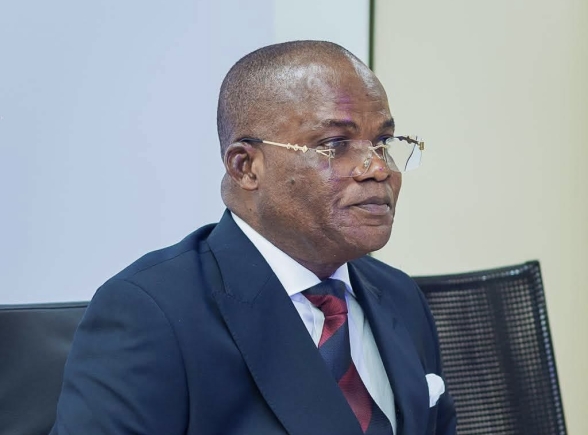
Clerk-to-Parliament Ebenezer Ahumah Djietror resurrects debate and justifies why new Chamber for MPs is important
The Clerk-to-Parliament, Ebenezer Ahumah Djietror, has reiterated the need for a review of Parliament’s infrastructure needs to enhance legislative business.
He said the Legislature needed a new Chamber, adequate workspaces and meeting facilities to accommodate Members of Parliament (MPs) and staff of the Parliamentary Service.
He explained that the existing facilities were inadequate to accommodate MPs and support the effective discharge of their constitutional responsibilities, with the shortage of meeting spaces forcing some caucuses to seek alternative venues.
“We do not have a Chamber with complementary facilities that will enable us to discharge our duties properly. We should be able to have enough workspace, meeting areas, division rooms, ministers’ lobbies, caucus lobbies so that when there are issues, a caucus will not necessarily have to file out and travel all the way to Job 600,” he said.
Addressing a workshop for members of the Parliamentary Press Corps (PPC) a in Accra, Mr Djietror said the existing caucus meeting rooms could accommodate only about 30 to 35 people, making it difficult for larger groups of MPs to meet effectively.
"Look at the Majority Caucus and where in Job 600 will you have space for them to meet and yet you are to meet as a caucus, as it is part of the rules of engagement" he said.
The two-day event, sponsored by Parliament, was meant to build the capacity of PPC members in the execution of the mandate as parliamentary reporters.
- Related articles
- Why Parliament's new Chamber project was dropped
- Majority, Minority divided over new Parliament Chamber
- Proposed construction of new chamber for Parliament, misplaced priority — CDD
- Speaker Bagbin 'resurrects new Chamber for Parliament' debate, pleads with Executive to release neighbouring land for project
- Speaker Bagbin calls for new chamber for 276 MPs, raises concern over limited capacity
- Parliament drops new chamber project
Mr Djietror said the infrastructure constraints were particularly concerning as Parliament prepared for budget consideration, when committees would invite ministries, departments and agencies (MDAs) to provide information on their programmes and expenditure.
He explained that committee meetings could involve several officials from each agency, in addition to committee members, putting further pressure on the limited space available.
Accurate reportage
The Majority Leader, James Agalga, said Parliament's image should be enhanced through improved performance, accountability and responsible journalism rather than the suppression of criticism.
He called on parliamentary journalists to ensure that their reports were accurate, balanced and contextual.
Mr Agalga said the media played an indispensable role in helping the public understand Parliament's work and its contribution to democratic governance.
Commendation
The Chief Information Officer of Parliament, Kate Addo, commended the media for its contribution to bringing Parliament closer to the people since the inception of the Fourth Republic.
She said reports and documentaries produced by journalists had helped the public to understand the work of the Legislature.
The Director of the Media Relations Department, David S. Damoah, urged members of the PPC to uphold accuracy, fairness, balance and responsibility in their coverage of parliamentary proceedings to strengthen public trust in the legislature.
The Dean of the Parliamentary Press Corps, Simon Agianab, urged parliamentary journalists to uphold professionalism, accuracy and constitutional awareness in their coverage of Parliament.
