
Risk is the possibility of an undesirable happening, usually leading to harm, loss or other negative consequences.
No entity operates without risk; risk is therefore an integral part of the activities of an entity.
The assessment of risk, also known as risk profiling or risk mapping must therefore be part of the core management activities of every entity.
Risk profiling has two major aspects: one aspect is an assessment of the frequency of undesirable events or the probability that the risk will materialise and an adverse outcome will occur. The other aspect is an assessment of the impact or loss if an adverse event occurs or adverse circumstances arise.
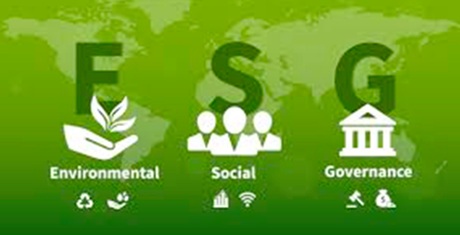
Whereas there are several types of risks including: financial risk, operational risk, reputational risk, political risk, strategic risk, compliance risk, environmental risk, social risk, governance risk, economic risk, technological risk, etc., this write-up focuses on Environmental, Social and Governance (ESG) risks.
ESG Risks
ESG risks are potential negative impacts on a company’s financial performance, reputation, or operational continuity stemming from environmental degradation, social issues, or poor corporate governance. These risks include climate change impact, labour disputes and regulatory non-compliance.
Detailed break down of ESG risks are: Environmental Risks
• Climate change: rising temperatures and changing precipitation patterns affecting agriculture and water resources; increased frequency and severity of extreme weather events such as floods droughts and storms.
• Pollution: air pollution from industrial activities, transportation, or waste burning affecting human health and ecosystems; water pollution from agricultural runoff, industrial waste, or sewage harming aquatic life and human consumption; soil pollution from industrial activities, mining, or waste disposal impacting agriculture and ecosystems.
• Resource depletion: water scarcity affecting agriculture, industry, and human consumption; deforestation and land degradation impacting biodiversity, climate change and local communities; overfishing and depletion of marine resources threatening food security and ecosystems.
• Waste management: improper disposal of hazardous waste harming human health and ecosystems; plastic pollution in oceans and waterways impacting marine life and ecosystems; electronic waste (e-waste) management leading to environmental and health risks.
• Biodiversity loss: habitat destruction and fragmentation impacting species survival and ecosystem services; overexploitation of species leading to population decline or extinction.
Social Risks
• Labour practices: poor working conditions, low wages, and lack of benefits affecting worker well-being and productivity; child labour and forced labour in supply chains or industries; discrimination and harassment in the workplace.
• Human rights: indigenous rights violations, land grabs, and displacement; community conflicts and protests over resource extraction or infrastructure projects; privacy and data protection concern in the digital age.
• Community relations: negative impacts on local communities, such as noise pollution, displacement, or loss of livelihoods; lack of consultation and participation in decision-making processes; inadequate compensation and resettlement for affected communities.
• Health and safety: occupational health and safety risks, such as accidents or diseases; product safety concerns, such as contamination or recalls; access to healthcare and medical services, particularly for vulnerable populations.
• Diversity and inclusion: discrimination and bias in hiring, promotion, and retention practices; lack of diversity and inclusion in leadership and decision-making positions; unconscious bias and microaggressions in the workplace.
• Education and training: limited access to education and training opportunities; inadequate skills development and upskilling for employees; mismatch between education and labour market needs.
Governance Risks
• Board composition and oversight: lack of diversity and independence on the board; insufficient expertise or experience among board members; inadequate oversight of management and risk management processes.
• Executive compensation: excessive or performance-unrelated executive pay; lack of transparency and disclosure around executive compensation; inadequate say-on-pay mechanisms for shareholders.
• Auditing and internal controls: weak or ineffective internal controls and risk management; auditor independence and quality concerns; inadequate whistleblower mechanisms and protections.
• Shareholder rights: restrictions on shareholder voting and engagement; lack of transparency and disclosure around shareholder meetings; inadequate protection of minority shareholder rights.
• Regulatory compliance: non-compliance with laws and regulations, such as anti-bribery and corruption; inadequate compliance programmes and training; regulatory fines and penalties impacting financial performance.
• Ethics and culture: weak ethical culture and tone from the top; inadequate code of conduct and ethics policies; lack of transparency and accountability around ethics concerns.
• Cyber security and data protection: inadequate cyber security measures and data protection; data breaches and unauthorised access impacting customers and stakeholders; non-compliance with data protection regulations.
Mitigating ESG Risks
To mitigate ESG risks, an entity must consider the following general strategies: integrate ESG into risk management and decision-making; engage with stakeholders and respond to concerns; set ESG goals and targets and track performance; disclose ESG information and progress.
Specific ESG risks mitigating measures include:
• Environmental risks: conduct environmental assessments and due diligence; implement sustainable practices, such as renewable energy and resource efficiency; develop climate change adaptation plans and resilience strategies; engage with stakeholders on environmental concerns and impacts.
• Social risks: implement human rights policies and respect labour standards; conduct social impact assessments and community engagement; develop diversity and inclusion strategies and promote equality; ensure fair labour practices and safe working conditions.
• Governance risks: establish strong board oversight and independent audit committees; implement transparent reporting and disclosure practices; develop ethics and compliance programmes and training; ensure accountability and whistleblower protections.
➢ Stephen Mensah Dzodzodzi (PhD.) is a chartered petroleum economist, a tax and management consultant and CEO of Centre for Professional Studies, Ho.
email:
➢ Charles Ekornunye Ansah is a member of Chartered Institute of Tax Law and Forensic Accountants – Ghana (CITLFAG), and an Employee of Ghana TVET Service. email:
