

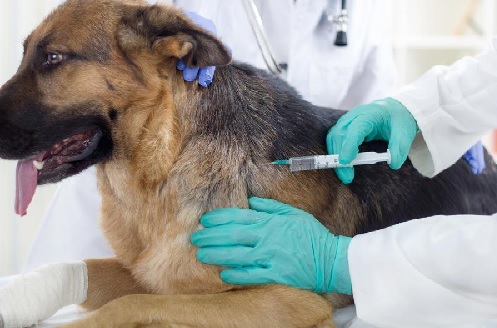
The Volta Regional Chairman of the Paediatric Society of Ghana (PSG), Dr Bright Danyo, has urged the public to support efforts to reduce rabies deaths by ensuring that dogs are vaccinated.
He said Ghana had an estimated 2.5 million dogs and that vaccinating at least 70 per cent of them would help the country achieve the global target of zero human deaths from rabies by 2030.
Dr Danyo made the call in an interview in Ho last Wednesday, September 30, to mark World Rabies Day.
He said stray dogs remained a concern in various communities in the Volta Region, posing a particular danger to children.
According to him, children were especially vulnerable because they were often at eye level with dogs. Consequently, bites could occur around the face and head, allowing the rabies virus to reach the brain quickly.
“As soon as clinical symptoms appear, the disease is 100 per cent fatal,” he explained.
However, Dr Danyo said rabies was preventable through appropriate post-exposure care, including timely vaccination.

He, therefore, called on all stakeholders, including dog owners, community leaders, animal and human health professionals and the government, to join the campaign, which is on the theme: “Stronger Together.”
Dr Danyo described rabies as a major public health concern, noting that people at increased risk included children, veterinarians, wildlife professionals, travellers to high-risk areas and mortuary workers.
He said symptoms of rabies could include fever, nausea, itching, aggression, hypertension, coma and, ultimately, death.
He explained that transmission to humans occurred mainly through bites and scratches from infected animals, particularly dogs, and through contact with infected saliva with broken skin or mucous membranes.
Children
Dr Danyo said children were particularly at risk because they could have difficulty recognising the danger posed by stray dogs, playing outdoors and might not report bites or scratches.
He said about 95 per cent of human rabies cases were associated with infected dogs, adding that millions of dogs in Ghana remained unvaccinated, despite the need to reach the 70 per cent vaccination threshold to interrupt transmission.
He also cautioned that puppies could transmit rabies and urged dog owners not to assume that young dogs were safe.
“Rabies elimination needs adequate and long-term investments,” Dr Danyo maintained.
He said rabies-related deaths were preventable and called for concerted effort to end them.
