
Ghanaians urged to undergo genotype testing before marriage to help curb sickle cell cases
A medical officer at the Korle Bu Teaching Hospital, Dr Kwabena Amoako, has urged Ghanaians, particularly the youth, to prioritise genotype testing before choosing a life partner in order to prevent the inheritance of sickle cell disease.
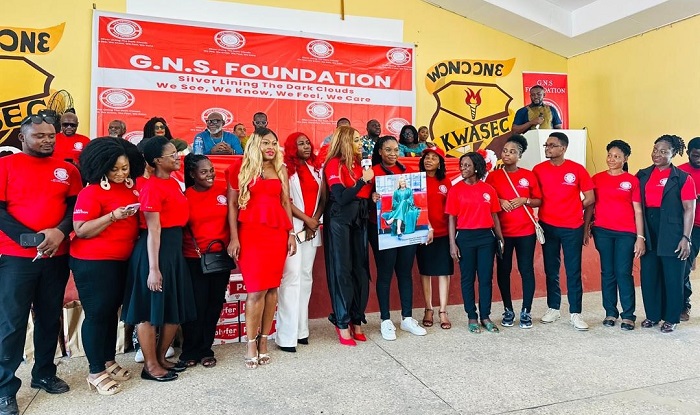
Speaking during a sickle cell awareness campaign organised by the GNS Foundation at Kwabenya Senior High School to mark World Sickle Cell Day on Friday, Dr Amoako underscored the importance of informed decision-making when choosing a life partner.
“Sickle cell disease is inherited from parents. It is crucial that individuals know their genotypes before marriage to avoid the risk of passing the condition on to their children,” he said. “This simple step can prevent a lifetime of pain and complications for future generations.”
Dr Amoako explained that sickle cell disease is caused by defective red blood cells that become crescent-shaped, leading to painful episodes known as crises, organ damage, and other serious health complications. He revealed that nearly 2% of all newborns in Ghana are affected by the condition.
He noted that while the only known cure is a bone marrow transplant, the disease is manageable with proper medical care and lifestyle support. He cautioned the public against misleading claims of alternative cures and urged those affected to seek treatment at recognised healthcare facilities.
“Knowing your genotype and that of your partner is the first step toward prevention. Speak to your doctor or a genetic counsellor before making long-term relationship decisions,” Dr Amoako advised.
The campaign, organised by the GNS Foundation, forms part of its nationwide outreach programme aimed at increasing public awareness of sickle cell disease and promoting early testing among young people.
Sickle cell really matters
On her part, founder of the GNS Foundation, Mrs Sandra Ayivor, called on individuals, civil society groups, and government institutions to join the fight against sickle cell disease.
“GNS stands for Giverlink and Sandra—two sisters with the same vision to make a difference. It started with our desire to give back to society and create awareness around sickle cell,” she said. “Today, we’re screening over 200 students and feeding them as part of our commitment to health education.”
She shared a personal story that inspired the creation of the Foundation, recalling how a relative unknowingly living with sickle cell faced recurrent health crises during her childhood.
“Our parents supported him, but we asked ourselves: what happens to those without that kind of help? That’s how our journey began. Today, it’s a global movement,” Mrs Ayivor said.
Over the past decade, the GNS Foundation has undertaken several health and humanitarian initiatives, including donations to the Sickle Cell Clinic, medical outreach programmes, blood drives, shelter support for survivors of abuse, and environmental projects such as tree planting.
“Each time we conduct screenings, we identify individuals who had no idea they carried the sickle cell trait—or even the disease itself,” she noted. “This is why public awareness is critical.”
She encouraged partnerships with the Foundation to help expand its reach. “If you believe in giving back—whether as an individual, an NGO, or a policymaker—this is your chance. Partner with us so we can continue saving lives.”
The Kwabenya SHS outreach is part of a broader campaign to empower Ghana’s youth with the knowledge and tools to prevent sickle cell transmission through informed choices.
