
U.S. Vice-President JD Vance said negotiations ended early Sunday between the U.S. and Iran without a peace deal after the Iranians refused to accept American terms to not develop a nuclear weapon.
The high-stakes talks ended after 21 hours, Vance said, with the vice-president in constant communication with U.S. President Donald Trump and others in the administration.
"But the simple fact is that we need to see an affirmative commitment that they will not seek a nuclear weapon, and they will not seek the tools that would enable them to quickly achieve a nuclear weapon," Vance told reporters.
"That is the core goal of the president of the United States. And that's what we've tried to achieve through these negotiations."
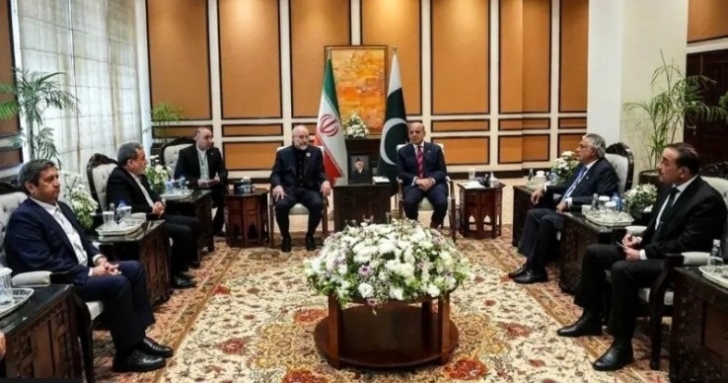
The United States and Iran held face-to-face negotiations in Pakistan on Saturday, days after a fragile, two-week ceasefire was announced, as the war that has killed thousands of people and shaken global markets entered its seventh week.
U.S. ally Israel, which joined the Feb. 28 attacks on Iran that launched the war, has also been bombing Tehran-backed Hezbollah militants in Lebanon and says that conflict is not part of the Iran-U.S. ceasefire.
Saturday's talks in Islamabad were the first direct U.S.-Iranian meeting in more than a decade and the highest-level discussions since the 1979 Islamic Revolution.
The outcome could determine the fate of the fragile two-week ceasefire and the reopening of the Strait of Hormuz, a chokepoint for about 20 per cent of global energy supplies that Iran has blocked since the war began. The conflict has sent global oil prices soaring and killed thousands of people.
In a post on X, Iran's government said that the talks had concluded and technical experts from both sides would exchange documents.
"Negotiations will continue despite some remaining differences," the post added, though it did not say when they would restart.
