
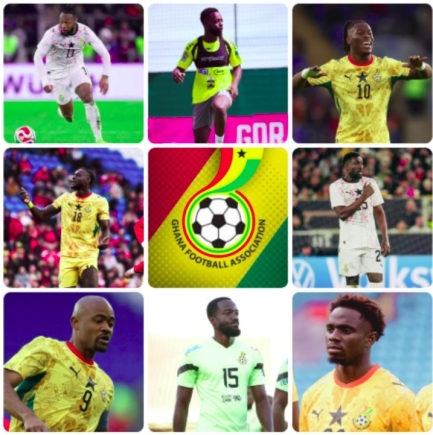
When Ghana's Black Stars run out against Panama in Toronto on June 17 to open their 2026 FIFA World Cup campaign, eight of their 26-man squad will do so having been born on foreign soil — a statistic that speaks volumes about how radically the modern national team has been reshaped by the Ghanaian diaspora.
Global data compiled ahead of the tournament reveals that 310 of the 1,248 players taking part in the expanded 48-team competition were born outside the country they will represent — roughly one in every four. Ghana's tally of eight puts them firmly among the most globally assembled squads at the tournament, sitting alongside Croatia, Australia and New Zealand in the broader bracket, and behind only Côte d'Ivoire, Iraq and a string of North African nations on the continent.
At the extreme end of the scale, Caribbean nation Curaçao have brought a squad containing 25 players born in the Netherlands, while DR Congo have 20 foreign-born players drawn mainly from France and Belgium. Algeria field 16, Morocco 19. But for Ghana — a nation with deep football roots and four Africa Cup of Nations titles to its name — the presence of eight diaspora-born players in the squad reflects a deliberate and increasingly sophisticated recruitment strategy, not circumstance.
Here is the full picture of where Ghana's foreign-born players came from.
France: Three Players
The strongest single national thread running through Ghana's diaspora squad connects to France, where three members of the 26-man group were born — a connection that stretches back decades to the era when legendary captain Abedi Pelé lit up Olympique de Marseille and laid down roots that would shape Ghanaian football for generations.
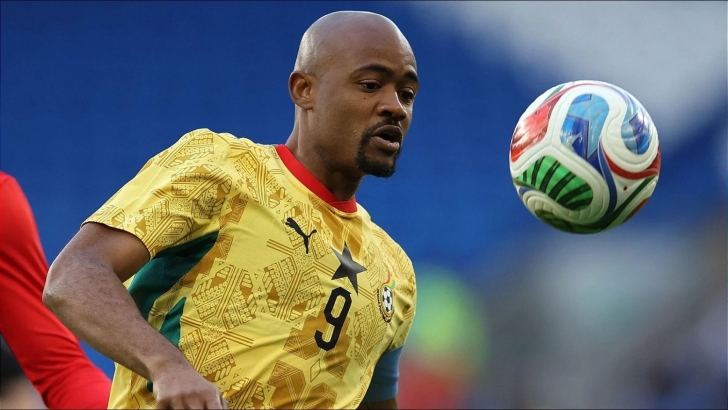
Jordan Ayew, born in Marseille and son of Abedi Pelé himself, is the most storied of the three. The captain of the Black Stars and the team's second most-capped player — only his brother André has appeared for Ghana more often — Ayew carries the weight of a football dynasty into his third World Cup. Born in the city where his father became an icon, raised in the rhythms of French professional football, he has nonetheless worn Ghana's colours with unwavering commitment since his debut in 2010. At 34, this tournament in North America is likely his last, and his leadership in the dressing room is as valuable to Carlos Queiroz as anything he contributes on the pitch.
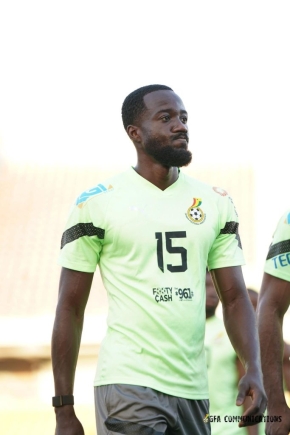
Elisha Owusu was born in Montreuil, a commune in the eastern suburbs of Paris. The midfielder, currently plying his trade with Auxerre in Ligue 1, provides composure and defensive cover in the engine room of the side. His inclusion reflects Ghana's deepening connections to the substantial Ghanaian community in the Île-de-France region, long one of the most active hubs of Ghanaian diaspora life outside Africa.
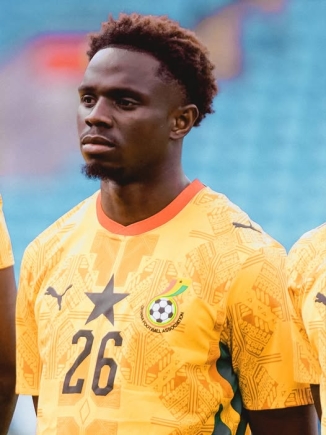
Marvin Senaya, born in Saint-Renan in the Finistère department of Brittany, is one of the more intriguing stories in the squad. The Auxerre right-back, whose father Yao Mawuko Sènaya is a retired Togolese professional footballer, holds dual descent — Ghanaian and Togolese. When the call came simultaneously from both Ghana and Togo in March 2026, he chose Ghana. That decision, and the speed with which he made it, was itself a statement.
England: Three Players
Three members of the squad were born in England, reflecting the size and depth of the Ghanaian community in the United Kingdom, which represents the largest concentration of the diaspora anywhere in Europe.
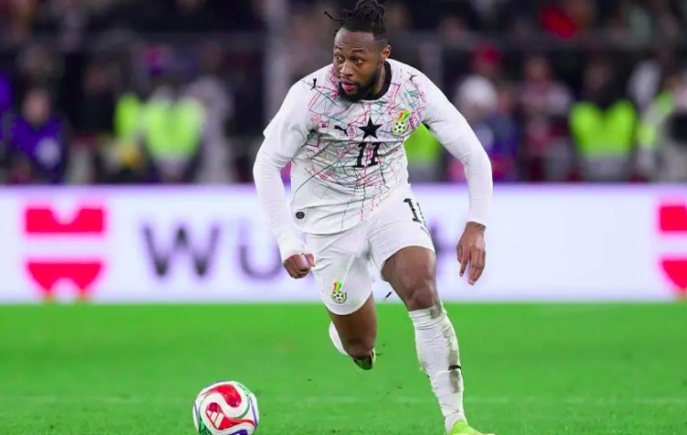
Antoine Semenyo, born in London, is among the most prominent. The Manchester City forward has established himself as one of the most dangerous attackers in the Premier League and enters the tournament in the form of his career. His story is quintessentially diaspora: Ghanaian parents, an English upbringing, but a heart that was always pointed towards Accra. When the Ghana Football Association came calling, his answer was immediate. His mother, Dela Efua Dzebu, was among the speakers at the GFA's landmark talent engagement session at the Ghana High Commission in London just weeks before the tournament kicked off — herself a voice encouraging the next generation of British-Ghanaian footballers to follow her son's path.
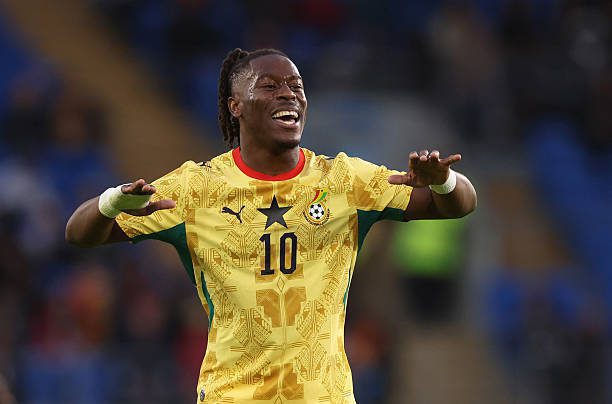
Brandon Thomas-Asante, also born in London, brings a different kind of story to the squad. A powerful centre-forward currently at Coventry City, Thomas-Asante worked his way up through the lower tiers of English football — Milton Keynes Dons, Salford City, West Bromwich Albion — before earning his Black Stars call-up. His is not the story of a prodigy spotted early; it is the story of a footballer who persisted, improved, and ultimately earned his place at the highest level.
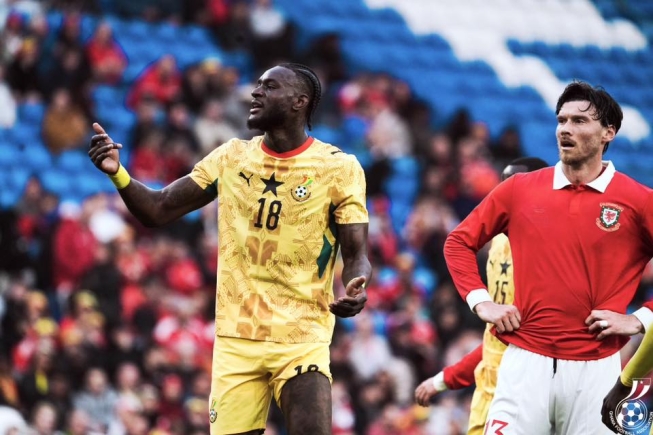
Jerome Opoku, born in Lambeth in south London, completes the English trio. The towering centre-back, who stands at 1.97 metres and plays for Istanbul Basaksehir in the Turkish Süper Lig, grew up at Fulham's academy and represents one of the quieter but no less significant pieces of Ghana's defensive architecture for this tournament.
Spain: One Player
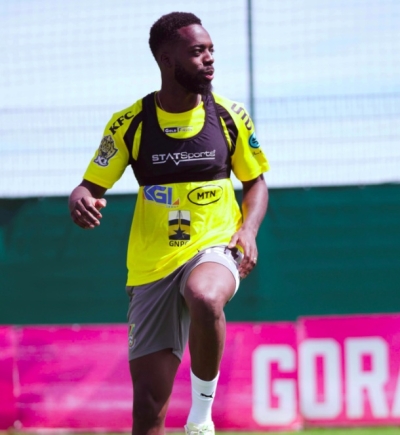
Iñaki Williams, born in Bilbao in the Basque Country, needs no elaborate introduction to Ghanaian football followers. His parents fled Ghana and undertook a perilous journey across sub-Saharan Africa and through the Sahara, eventually reaching Spain, where Williams was born and raised. He grew up speaking Basque and Spanish, rose through the Athletic Club academy to become one of La Liga's most durable forwards — playing a record 251 consecutive matches — and earned a single cap for Spain's senior team before being overlooked for the 2022 World Cup. Ghana moved decisively, and Williams committed with an emotional public declaration that spoke of roots, family and identity. He has since become one of the team's most recognisable figures, and at this tournament faces England — where three of his squadmates were born — in what is one of the more narratively loaded group-stage fixtures of the entire competition.
Netherlands: One Player
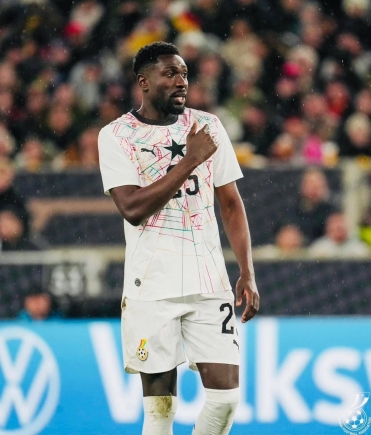
Derrick Luckassen, born in Amsterdam, arrived in the squad through unusual circumstances. The experienced centre-back, who came through AZ Alkmaar's academy and had previous international experience with the Netherlands at youth level, was called into the final squad as a late replacement for Alexander Djiku, who was ruled out through injury sustained during the Russian Cup final. Luckassen now plays for Cypriot club Pafos and brings composure and European pedigree to the heart of Ghana's defence.
A Quarter of the World Cup's Players Were Born Elsewhere
The numbers that frame Ghana's eight foreign-born players are striking in their own right. In total, a quarter of all players at the 2026 World Cup were born outside the nation they represent — a figure that reflects five decades of accelerating global migration, the proliferation of professional football academies across Europe, and the complex dual loyalties that diaspora communities navigate across generations.
France presents perhaps the most dramatic illustration of this dynamic. An extraordinary 75 players born in France will represent other nations at this tournament, while France's own squad contains three foreign-born players — forward Michael Olise, born in England, striker Marcus Thuram, born in Italy, and goalkeeper Brice Samba, born in DR Congo. Nearly eight percent of the entire tournament's player pool was born on French soil. Ghana's three France-born players are among that broader tide.
For Ghana, the picture is one of purposeful construction. The GFA's UK Talent Hunt programme, launched in London in May 2026, signals that this recruitment is no longer reactive but systematic — identifying players before their loyalties fully form, building pathways before European nations get there first. The eight foreign-born players in this squad are not an accident of geography. They are the visible result of a national football strategy that has made the diaspora its most important asset, and a fitting tribute to the generations of Ghanaians who built new lives abroad without ever letting go of home.
Ghana's 2026 FIFA World Cup Squad
Group L: vs Panama (June 17, Toronto) | vs England (June 23, Boston) | vs Croatia (June 27, Philadelphia)
Goalkeepers: Benjamin Asare (Hearts of Oak), Lawrence Ati-Zigi (St Gallen), Joseph Anang (St Patrick's Athletic)
Defenders: Baba Abdul Rahman (PAOK), Gideon Mensah (Auxerre), Marvin Senaya (Auxerre), Alidu Seidu (Rennes), Abdul Mumin (Rayo Vallecano), Jerome Opoku (Istanbul Basaksehir), Jonas Adjetey (Wolfsburg), Kojo Oppong Peprah (OGC Nice), Derrick Luckassen (Pafos)
Midfielders: Elisha Owusu (Auxerre), Thomas Partey (Villarreal), Kwasi Sibo (Real Oviedo), Augustine Boakye (Saint-Étienne), Caleb Yirenkyi (Nordsjaelland), Abdul Fatawu Issahaku (Leicester City), Kamal Deen Sulemana (Atalanta)
Forwards: Christopher Bonsu Baah (Al Qadsiah), Ernest Nuamah (Lyon), Antoine Semenyo (Manchester City), Brandon Thomas-Asante (Coventry City), Prince Kwabena Adu (Viktoria Plzen), Iñaki Williams (Athletic Club), Jordan Ayew (Leicester City)
