

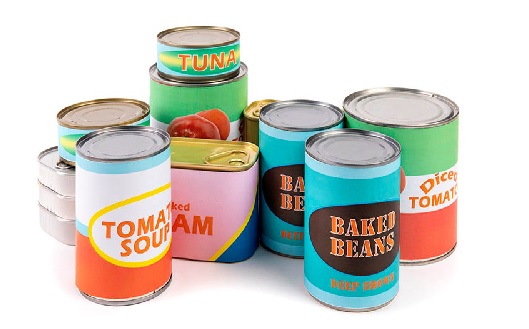
A nutritionist at the Shai-Osudoku District Hospital, Mrs Dorcas Amposem, has advised consumers to look beyond expiry dates when buying canned foods, especially during the rainy season.
She said floodwaters, for instance, could compromise the safety of canned foods under certain conditions.
In an interview with The Mirror in Accra last Wednesday, she explained that floodwaters often contained sewage, chemicals, refuse and disease-causing microorganisms, which could contaminate food or its packaging.
"A properly sealed, undamaged can is generally waterproof. However, if a can has deep dents, rust, punctures, leaks or damage around its seams or lid, floodwater can compromise the airtight seal, allowing harmful bacteria, viruses or chemicals to enter," she said.
Mrs Amposem added that even where the contents of a can remained safe, the exterior may become contaminated after exposure to floodwaters.
"The outside of the can may be coated with sewage, mud and harmful microorganisms such as E. coli and Salmonella. If consumers do not thoroughly wash and sanitise the can before opening it, these contaminants can easily be transferred to their hands, the can opener or directly into the food," she said.
She advised consumers to avoid canned foods that looked swollen, leaky, deeply dented, or heavily rusted, as these may indicate the packaging has been compromised.
For bottled drinks, milk and cooking oil, the nutritionist asked consumers to ensure that the seals are intact and there are no signs of leakage or tampering.
“When buying food, pay attention to where it is being sold and how it is stored. Good food storage should be away from direct sunlight and at room temperature,” she said.
At home, she recommended washing hands before handling food, storing perishable foods in a refrigerator and keeping raw foods separate from cooked meals to prevent cross-contamination.
She urged the public to discard any food suspected of having come into contact with floodwaters, stressing that consumers should not wait to eat it to determine whether it was safe.
After the floods
The advice comes after recent flooding in parts of the country, which raised concerns about food contamination.
In a recent publication, the Food and Drugs Authority (FDA) cautioned the public against buying, selling or consuming food products that may have been exposed to floodwater, warning that such products could pose serious health risks.
According to the authority, floodwaters may contain bacteria, viruses, parasites, and hazardous chemicals that can contaminate food and increase the risk of diseases such as cholera, typhoid fever and other foodborne illnesses.
Consumers
Some consumers who spoke to The Mirror said the rainy season had made them more conscious of the food products they purchased.
A 33-year-old teacher, Mabel Amponsah, noted that although she does not spend much time checking products, she pays closer attention to the environment.
"I think as humans, we cannot be fully careful because anything can happen. But for me, I don’t joke with the environment in which I patronise food and services from,” she said.
A 34-year-old Graphic Designer, Benoni Boaz Anatsui, said that for the past year, he had made sure to buy goods only from supermarkets.
“I have already made up my mind to only buy from supermarkets. I mean even though it still can’t guarantee safety, it is better than buying from just anywhere. With the supermarkets, I can even report when I get any issues,” he added.
Mr Anatsui appealed to vendors to be reasonable with their prices, noting that high food prices often push consumers to buy from any available source without considering food safety.
“Things are expensive, so sometimes people just buy what they can afford without checking the condition of the product," he said.
