
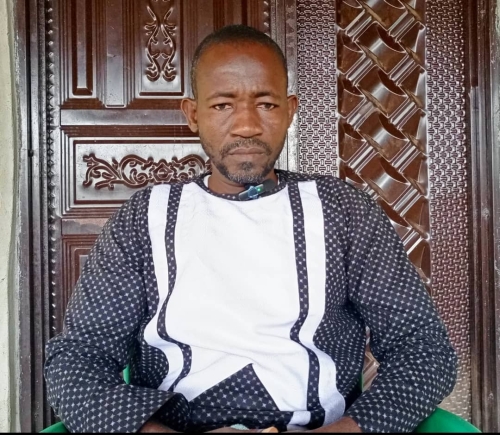
Kpandai DCE, Chiefs rally investors and NGOs to tackle youth drug abuse and spur development
The District Chief Executive (DCE) for Kpandai, Mr Haruna Abdul Karim, and traditional leaders in the district have made a passionate appeal to investors, development partners, and non-governmental organisations (NGOs) to channel resources into the area to promote development, curb youth unemployment, and address the growing threat of drug abuse among young people.
Speaking to Graphic Online on the district’s agricultural potential and investment prospects to empower the youth, Mr Karim described the situation as alarming, warning that substance abuse was rapidly derailing the future of many young people in the area. He said youth involvement in drugs such as cannabis, commonly known as "weed", tramadol, and others was contributing to rising crime, school dropouts, and mental health cases.
“Many of our young people are now caught up in drug abuse. As DCE, I am committed to working with our traditional leaders, the police, and other stakeholders to address this canker. We are developing interventions that will combine sensitisation, law enforcement, job creation, and vocational skills training,” Mr Karim said.
He described Kpandai as a peaceful district with enormous agricultural potential and a strategic location along the Oti–Northern frontier, making it a viable hub for agro-based investments. He said attracting investors to tap into the district’s natural resources would create jobs and reduce the vulnerability of the youth to drugs and crime.
“We have yam, maize, groundnuts, rice, cassava — all ripe for agro-processing. Our appeal is for private investors to come in and help us turn these opportunities into jobs for our youth,” he emphasised.
Drug use on the rise
The DCE’s concerns reflect a broader national context. According to the Narcotics Control Commission (NACOC), cannabis remains the most commonly abused illicit substance in Ghana, while the misuse of pharmaceutical drugs, including tramadol and codeine, continues to rise among the youth.
A 2023 Ghana Health Service report noted that youth-related drug addiction is increasingly prevalent in rural districts of the Northern and Oti regions, exacerbated by poverty, peer pressure, idleness, and limited access to quality education and mental health support.
Ghana's Mental Health Authority reported 3,765 cases of mental disorders linked to alcohol use in 2023, highlighting a growing trend of substance abuse-related mental health challenges.
The authority, in a statement released on 25 June 2024 to mark the International Day against Drug Abuse and Illicit Trafficking, also stated that 5,554 cases of mental disorders were caused by other psychoactive substances.
In Kpandai, stakeholders say the impact is already being felt, with several youths reportedly facing drug-related arrests and hospital admissions.
Traditional leaders step up
Echoing the DCE’s sentiments, the Chief of Kpandai, Kpandaiwura Nana Bristiam Okore Atorsah, also decried the high levels of youth idleness and drug use in the area. He disclosed that he had initiated engagements with financial institutions to support youth-led agricultural projects.
“When I returned to Kpandai, I noticed that many of our young people were jobless and falling into drugs. That is why I started discussions with a bank to secure loans for youth engagement in farming,” the chief said.
Nana Atorsah said portions of land — including 40 acres near Buya — have been identified for youth farming initiatives and called on the district assembly to help acquire and develop the land.
“We want to mobilise them into cooperatives, support them with training, farm inputs, and markets. Some of them may not have formal education, but they can still contribute meaningfully to society if given the right support,” he added.
He also revealed that chemical shop operators in the district have been cautioned against the illegal sale of restricted drugs, although marijuana and other banned substances continue to pose enforcement challenges. He said traditional authorities frequently hold community dialogues with the youth and parents to raise awareness of the dangers of substance abuse.
United call for development
The Kpandaiwura praised the DCE’s commitment and called for stronger collaboration among chiefs, religious leaders, youth groups, and civil society actors to fight drug use and promote inclusive development.
“Kpandai is a multi-ethnic and diverse district, and we must maintain our peace and unity if we want to attract development. Our youth must be empowered to lead the future,” he noted.
Meanwhile, the Director-General of the Narcotics Control Commission, Brigadier General Maxwell O. Mantey, in April this year, called for stronger collaboration to tackle the use of illicit drugs, especially tramadol, among the youth. He said NACOC could only win the drug fight with the support and cooperation of relevant state agencies.
Both the DCE and traditional authorities emphasised that the way forward lies in unlocking Kpandai’s agricultural potential, investing in youth empowerment, and creating an enabling environment for the private sector and development agencies to thrive.
They are hopeful that with sustained effort, partnerships, and innovation, the district can reverse the tide of drug abuse and chart a new path of progress for its young population.
