
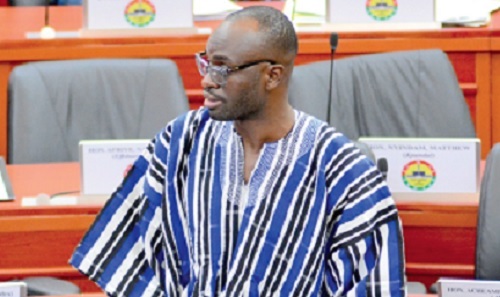
Ensure full DACF allocations to NYA, YEA - Walewale MP urges govt
The New Patriotic Party (NPP) Member of Parliament for Walewale, Dr Mahama Tiah Abdul-Kabiru, has called on the government to ensure the full disbursement of statutory allocations from the District Assemblies Common Fund (DACF) to youth development institutions.
He stressed the need for strict compliance with legal provisions mandating that five per cent of DACF be allocated to the National Youth Authority (NYA) and 10 per cent to the Youth Employment Agency (YEA).
Context
Parliament last week approved the proposed 2026 formula for distributing the District Assemblies Common Fund (DACF).
The fund allocation for 2026 is GH¢8.77 billion, compared with GH¢7.51 billion allocated for 2025, representing an increase of 16.78 per cent.
An amount of GH¢166.95 million has been allocated towards prioritised infrastructure and development projects in line with government policy objectives.
The total allocation for the year is based on five per cent of the projected total revenue for 2026.
The Minister of Finance has already made full and prompt releases totalling GH¢6.30 billion for all four quarters of 2025 to the DACF.
Funding inconsistencies
Dr Abdul-Kabiru's call follows sustained advocacy by YEFL-Ghana, a youth empowerment NGO based in Tamale, for the timely release of funds to the NYA and the YEA.
He cited findings from YEFL-Ghana’s “Follow the Money” campaign, which tracked DACF allocations to NYA and YEA between 2017 and 2025.
The campaign revealed worrying inconsistencies in funding despite statutory provisions.
He explained that the YEA Act and NYA Act require the DACF Secretariat to allocate five per cent of the DACF to NYA and 10 per cent to YEA annually.
However, between 2020 and 2024, the NYA received an average of only 2.8 per cent, while the YEA received about 5.8 per cent, far below the legal thresholds.
In the first quarter of 2025, both agencies received just 0.6 per cent of their expected allocations.
“This decline in statutory funding undermines Ghana’s youth development agenda and limits the capacity of these agencies to implement programmes addressing youth unemployment,” he said.
He pointed out that young people face limited access to entrepreneurial support, funding opportunities and technical skills training. Data from the Ghana Statistical Service showed that about 72.4 per cent of the estimated 1.3 million unemployed persons in the third quarter of 2023 were youth aged 15 to 35.
Dr Abdul-Kabiru said financing was critical for youth-focused institutions to implement programmes such as skills training, entrepreneurship support, and empowerment initiatives across the country.
He, therefore, called on the Ministry of Finance and the DACF secretariat to ensure the full and timely release of statutory allocations and urged the Parliamentary Select Committee on Youth and Sports to examine the causes of funding shortfalls and propose measures to restore compliance beginning with the next national budget.
