

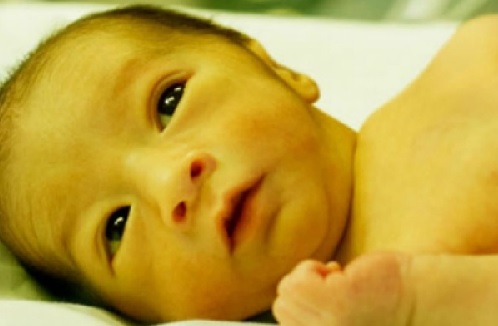
The month of May comes with a reminder from the Paediatric Society of Ghana of a dangerous but preventable affliction of newborns – neonatal jaundice.
Fittingly, then, the society has christened the month the “Yellow Month” after the clinical manifestation of jaundice, where the babies turn yellow!
This campaign is informed by the fact that jaundice in the newborn continues to take the lives of babies and, for those fortunate to survive, get maimed for life.
This explains why all paediatricians and members of the Paediatric Society of Ghana continue to put the spotlight on neonatal jaundice.
The myths around newborns continue to put countless babies at risk of needless deaths or damage to their brains. Jaundice in the newborn is mostly preventable, and its complications of brain damage are totally treatable.
Jaundice or yellowish discolouration of the skin, eyes and other body parts develops when red blood cells, the cells that carry oxygen in the blood, break down at the end of their life span.
One of the by-products of this breakdown is the release of a substance called bilirubin into the bloodstream. It is normal for red blood cells to die every day after they have exhausted their lifespan of 120 days.
When a baby is in the mother’s womb, the mother's liver and placenta remove bilirubin for the baby, but after birth, the baby's liver must take over the business of removing this harmful substance.
In some babies, the liver might not be developed enough to efficiently get rid of this bilirubin. In some babies, even though the liver is able to work on the bilirubin, the sheer workload alone overwhelms the capacity of the liver and allows excess bilirubin to spill into the bloodstream.
In some instances, an obstruction to the flow of the bile, which leads to jaundice, builds up in the blood and stains the baby's body, the skin and the whitish part of the eyes, rendering the baby yellow.
Jaundice usually appears first on the face and then moves to the chest, belly, arms, and legs as bilirubin levels get higher.
About 60 per cent of all babies develop jaundice, but not all jaundice is harmful until the bilirubin levels get beyond a certain dangerous mark.
Some babies are more likely to have severe jaundice and higher bilirubin levels than others. Babies with any of the following risk factors need close monitoring and early jaundice management:
Sibling with jaundice: A baby with a brother or sister who had jaundice in the newborn period is more likely to develop a severe form of jaundice.
Bruising: A baby who has bruises at birth is more likely to have jaundice. A bruise forms when blood leaks out of a blood vessel and causes the skin to look black or blue.
Then, when the bruise begins to heal, the red blood cells die and are converted to bilirubin, which gets into the blood and stains the body yellow.
Preterm babies: Babies born before 37 weeks, or a little above eight months of pregnancy, may become jaundiced because their liver may not be fully mature to get rid of the excess bilirubin.
Besides, the premature newborn has a higher number of red blood cells with reduced life span (80 days instead of 120 days), and too many red blood cells break down at the same time.
Feeding difficulties: A baby who is not eating, wetting nappies, or passing stools well in the first few days of life is more likely to get jaundice.
This is because they need water to be able to urinate the jaundice out instead of it building up in the blood.
Early jaundice: A baby who is yellow in the first 24 hours of life may develop dangerously high levels of bilirubin and must be urgently treated to prevent destruction of the brain by the jaundice in this newborn.
Hereditary factors: Some families inherit conditions that accelerate the breakdown of red cells, with their resultant production of bilirubin.
The most common in our part of the world is Glucose-6-Phosphate Dehydrogenase deficiency (G6PD deficiency)- an inheritable enzyme deficiency that is thought to confer some immunity to malaria.
Babies who inherit this condition are more likely to become jaundiced when exposed to certain chemicals, such as camphor and medications that contain sulphur.
Blood type: Women with blood group O type or with a negative rhesus blood factor might have babies with higher bilirubin levels. This happens when the babies have different blood groups or positive rhesus status.
Infection: Babies who acquire infection in the newborn period are more likely to have accelerated production of bilirubin from accelerated breakdown of red blood cells.
Birth trauma: Sometimes, the delivery process becomes complicated and traumatic, and the babies bleed under the scalp just below the covering of the brain or into the brain itself.
These conditions, known in medical parlance as subgaleal hematoma, cephalohematoma and intraventricular haemorrhage, respectively, warrant observation for jaundice.
Any baby with untreated severe jaundice is at risk for the development of brain injury.
I will continue next week.
The writer is a member of the Paediatric Society of Ghana and the Director of Medical Affairs, Korle Bu Teaching Hospital.
