
Creative Arts Agency pushes for policy support to grow Ghana’s animation industry
The Creative Arts Agency has called for stronger policy backing, curriculum reform and increased state investment in Ghana’s animation sector, as the country seeks to expand its footprint in the global digital content industry.
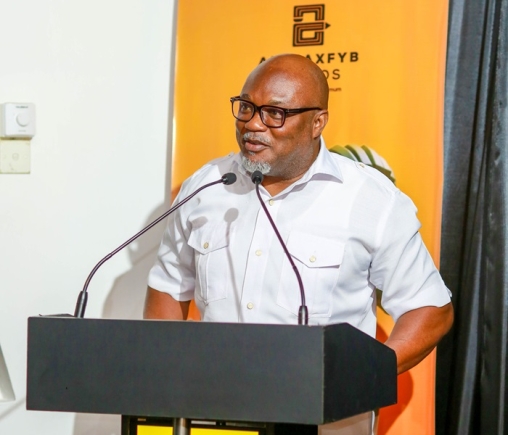
The Acting Executive Secretary of the agency, Mr Gideon Aryeequaye, said the growth of the sector could not be left solely in the hands of private studios, despite recent international recognition for Ghanaian players.
“There has to be an intentional approach, a deliberate attempt to pay attention to the sector,” he said at an Africa-Japan animation press briefing in Accra on March 16, 2026.
Mr Aryeequaye said while other countries are generating significant revenue from animation and related creative industries, Ghana has yet to fully harness the sector’s potential.
He noted that ongoing engagements with the relevant ministry are expected to elevate the sector on the national agenda, including efforts to strengthen creative arts education in schools.
“There are some curricula coming back. We must deliberately introduce these subjects and make them interesting enough for our children to appreciate and grow with them,” he said.
He added that the historical neglect of creative arts education had contributed to a weakening of cultural identity.
“A nation that has no identity does not exist,” he stated.
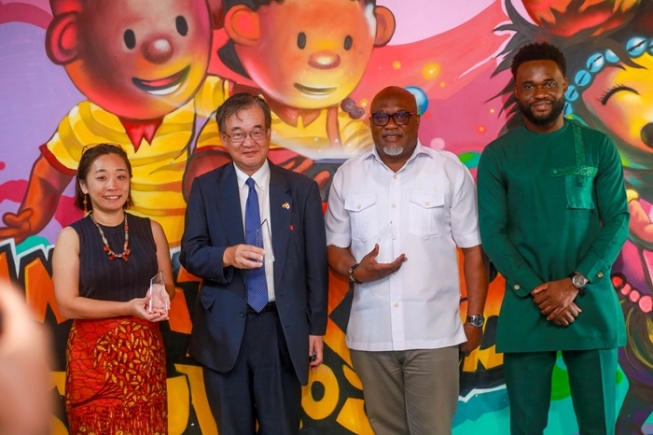
The call comes at a time when Ghanaian animation is gaining global attention. AnimaxFYB Studios, a local animation company, recently secured three awards under the TAIDO Project in Japan.
Japan’s Ambassador to Ghana, Mr Hiroshi Yoshimoto, said the initiative was designed to tackle key challenges in Africa’s animation industry, particularly limited access to advanced training and international exposure.
He explained that the project connects African creatives with Japanese animation professionals and provides mentoring in story development, character design and production.
Mr Yoshimoto said productions under the initiative combine African storytelling with Japanese techniques and are tailored for international distribution.
He added that the collaboration reflects a shift in Ghana-Japan relations, expanding beyond traditional sectors such as infrastructure and health into the creative economy.
The partnership, he noted, is also linked to events in 2027 marking diplomatic relations, Dr Hideyo Noguchi’s arrival in Ghana, and 50 years of Japan International Cooperation Agency volunteer service.
The Chief Executive Officer of AnimaxFYB Studios, Mr Francis Y. Brown, said the global animation industry continues to expand, presenting significant opportunities for countries that invest strategically in the sector.
He noted that the industry, valued at hundreds of billions of dollars, is being driven by streaming platforms, gaming, artificial intelligence and digital education tools.
Mr Brown added that animation is no longer confined to entertainment, but is increasingly applied in sectors such as healthcare, engineering and virtual production.
He said Africa’s youthful population and growing digital presence place the continent in a favourable position, but stressed the need for local players to build strong technical capabilities to remain competitive.
Mr Aryeequaye emphasised that animation provides a powerful platform for promoting Ghanaian identity and amplifying local stories on the global stage.
“If we use animation to tell our stories, we will generate more interest and better define ourselves as Ghanaians and Africans,” he said.
