
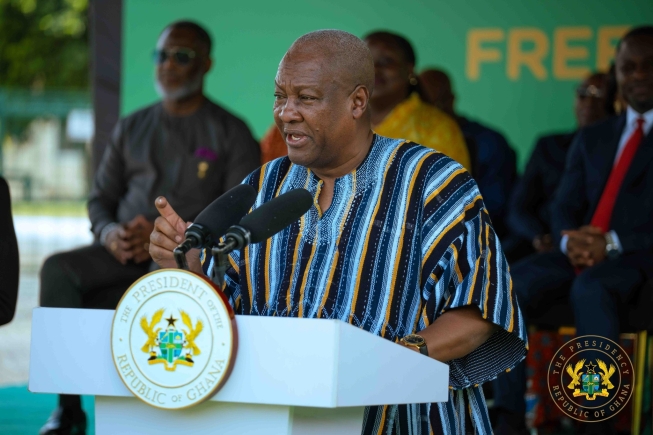
The Ghana Academy of Nutrition and Dietetics has endorsed recent advice by President John Dramani Mahama against the late-night consumption of heavy meals, describing it as a timely intervention in the fight against rising non-communicable diseases in the country.
In a statement issued following the launch of the Free Primary Health Care Initiative on April 15, the academy said the President’s remarks had helped to refocus national attention on the critical role of diet and lifestyle in disease prevention.
President Mahama had cautioned Ghanaians against eating heavy meals late in the evening, linking changing dietary habits and increasingly sedentary lifestyles to the growing prevalence of conditions such as diabetes and hypertension.
Responding to the comments, the academy emphasised that meal timing plays a significant role in metabolic, digestive and sleep health, noting that earlier and lighter evening meals could support long-term wellbeing and productivity.
“Meal timing significantly influences metabolic, digestive and sleep health,” the academy said, adding that consuming earlier meals could improve overall health outcomes.
However, the academy stressed that public awareness alone would not be sufficient to drive lasting behavioural change, calling instead for structural reforms within the healthcare system.
“Access to qualified nutrition professionals at the primary care level is essential to translate awareness into practical and sustained lifestyle change,” the statement said.
The academy urged the government to integrate dietitians and nutritionists into primary healthcare delivery as the country rolls out the new policy, arguing that such professionals are essential in guiding individuals towards healthier lifestyles.
It further called for the recruitment, posting and retention of nutrition experts to be prioritised as part of preventive health services, particularly at community-based facilities.
According to the academy, strengthening nutrition services at the primary care level would help reduce the burden of diet-related diseases, lower long-term healthcare costs and improve national productivity.
“Nutrition is prevention. Prevention requires professionals,” the statement added.
The intervention comes as Ghana intensifies efforts to shift its healthcare system from treatment to prevention, with growing emphasis on tackling lifestyle-related diseases through education, early detection and community-level care.
