
12,000 Farmers, youth to benefit from agribusiness training, support
A project aimed at training 12,000 farmers and out-of-school youth is in the offing in the Central Region.
Dubbed: “The Transforming African Agricultural Universities to meaningfully contribute to Africa's Growth and Development (TAGDev 2.0)” project, it aims to develop them towards a growth and entrepreneurial mindset in the agricultural sector.
The project targets to train 10,500 smallholder farmers and 1,580 out-of-school youth to effectively explore opportunities on the agricultural value chain.
The programme, which would run from 2025-2028, targets to train 395 out-of-school youth and 2,625 smallholder farmers in four beneficiary districts in the Central Region.
The beneficiary districts include Cape Coast, Komenda-Edina-Eguafo Abrem (KEEA), Awutu Senya East and Ekumfi.
Workshop
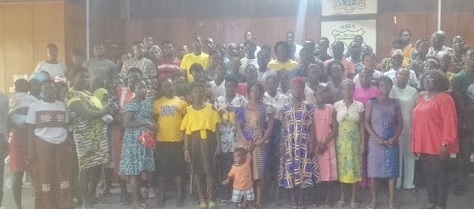
Speaking at the training of the farmers and out-of-school youth at the Elimina workshop last Thursday, the Municipal Focal Person on the project, Nuhu Ramzy Adam, explained that the TAGDev 2.0 programme being implemented by the University of Cape Coast (UCC) and the departments of Food and Agricultural in the selected districts was designed to empower out-of-school youth by building their capacity through entrepreneurship training, technical skills, and soft skills relevant to the agricultural sector.
The programme, he said, would equip the beneficiary youth and others from disadvantaged groups like women, the differently abled persons, refugees, and displaced persons with competencies to drive climate-resilient and equitable development.
Mr Nuhu noted that the programme, a collaboration involving UCC, the Regional Universities Forum for Capacity Building in Agriculture (RUFORUM), and the Mastercard Foundation, included scholarship opportunities and workshops for university students, personnel and out-of-school youth in the selected districts to foster entrepreneurship and 21st-century skills.
The programme, he said, would empower the beneficiaries to create their own employment opportunities in the agricultural sector.
He said it targeted specific agricultural value chains, to build skills and create opportunities for the vegetables, pineapple, sweet potato and cassava farmers.
Optimise opportunities
The Municipal Director of Agriculture, Ms Victoria Dansoa Abankwa, said it was important to train a new breed of farmers who viewed farming as a business and were ready to optimise opportunities on the agricultural value chain.
She charged the beneficiaries to commit to the success of the project and maximise its impact on their productivity and incomes.
The KEEA Municipal Chief Executive, Ismail Zagoon Saeed, said agriculture continued to be a significant contributor to the nation's socio-economic growth and urged farmers to have a business mindset towards agriculture.
He said it was time to adopt new ways of doing business for enhanced profitability.
An agriculture extension officer at KEEA, Matmas Eshun, advised beneficiaries to set goals and work towards building sustainable businesses.
A manager at the Business Advisory Centre took the participants through risk-taking, identifying opportunities, customer services and risk in business.
