
2 Regions to benefit from Plan International WASH facilities
Sixteen communities and 18 schools in the Guan and Wa East districts of the Oti and Upper West regions, respectively, are set to benefit from a €1,360,603 project that is aimed at providing water facilities, including bore holes, for them.
The project, which is being implemented by Plan International Ghana under the second phase of its Integrated Package for Sustainable Community Development (IPADEV), would, among others, see to the construction of 18 institutional girl-friendly toilet facilities for the schools, construction of mechanised boreholes that uses solar, establishment of spare parts banks to ensure that broken parts of the boreholes were worked on quickly and the development of water safety plans for all water facilities in the communities.
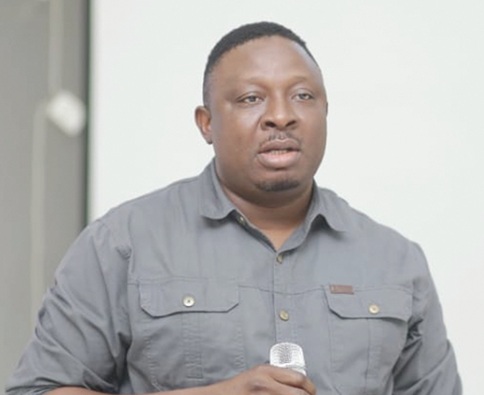
The Project Manager of the IPADEV Project, William Domapielle, disclosed this at a three-day training workshop organised by Plan International Ghana for journalists from the Greater Accra, Eastern, Volta and Oti regions, in Koforidua.
The training was aimed at enhancing responsible, ethical and impactful reporting on children's rights, gender equality and vulnerable communities.
It was also meant to strengthen their skills in child-centred, gender-sensitive and safeguarding-compliant reporting, as well as gain in-depth insight into Plan International Ghana's programmes and development priorities.
Key activities
Mr Domapielle mentioned other key activities that would be implemented as part of the project, which ends in 2028, to include the establishment of a Village Saving and Loans Association, hygiene promotion campaigns, education on menstrual hygiene management at community and school levels and support for WASH sector initiatives.
He said the objectives of the project were to increase access to and utilisation of safe drinking water, improve sanitation and hygiene for 14,766 people, especially vulnerable girls and women, in a protective environment in those two regions.
Furthermore, he said, it was to improve access to and usage of basic WASH facilities and services in schools; improve access to and usage of gender-responsive parenting and healthcare services, Early Childhood Care and Development care in the beneficiary communities; as well as to improve livelihood opportunities for economic empowerment for the project participants, especially young women in the beneficiary regions.
He said multiplicity of strategies would be used in the implementation of the project, which included targeting poor and vulnerable groups, especially women and girls, and advocacy and influencing on WASH, with relevant institutions and institutional strengthening to reinforce project sustainability.
He said, unlike the phase one project, where the mechanised boreholes were powered by electricity, so the communities had to mobilise to pay for electricity bills, for this project, the mechanised boreholes would use solar, which would take care of more climate issues.
Also, that would ensure that the communities were not buying electricity to power their homes.
He said Phase One focused on the Jasikan Municipality in Oti and West Mamprusi in the North East Region. For this second phase, the communities were chosen because they were considered deprived and were also communities where Plan International Ghana was carrying out its sponsorship packages for children, so they wanted them to benefit from it.
He mentioned the key partners of the project to include the Community Water and Sanitation Authority, the Environmental Health and Sanitation Directorate, the School Health Education Programme of the Ghana Education Service, district assemblies and the Ghana Health Service.
