
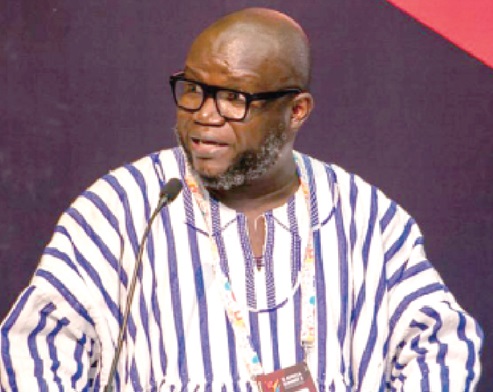
Destruction of fibre optic cables draining telcos’ coffers — Dr Ashigbey
The Chamber of Telecommunications has expressed concern about the steady increase in destruction of fibre optic cables, which are not only a drain on the budget of telcos, but also impact the quality of service.
It said that in 2024 alone, 5,600 cable cuts were recorded and that cost GH¢138 million for the sector.
Speaking at the 24th edition of the Chamber of Telecommunications Knowledge Forum in Accra, the Chief Executive Officer (CEO) of the Chamber, Dr Kenneth Ashigbey, emphasised the significant impact of these disruptions, extending beyond the direct financial cost to telecommunications companies.
Forum
The Chamber of Telecommunications Knowledge Forum was to share and discuss a document put together to highlight the situation on fibre optic cable destruction and its impact on the industry.
This document is aimed at guiding and harmonising the deployment of fibre optic infrastructure across Ghana.
The forum was on the theme: "Leveraging Fibre for Accelerated Development" and also saw the unveiling of the Telecommunication Industry Optic Fibre Minimum Specifications and Standards Manual.
Among the audience at the forum were the Director-General of the National Communications Authority (NCA) and representatives from the various telecommunications companies in the country.
Cost
Dr Ashigbey said the loss of revenue, reputational damage and the extensive time spent on restoration efforts were colossal to operators, stating that the average cost per fibre cut stood at approximately US$23,000.
He lamented the repeated instances of damage at the same locations, prolonging repair times and exacerbating the impact on businesses and essential services.
"This destruction costs the telecom companies, small businesses in effect, banking services, emergency communication, education delivery among others," he said.
Dr Ashigbey identified road construction as the primary cause of the fibre cuts, accounting for 20.68 per cent of the total.
"Other significant causes included theft and vandalism (13.98 per cent), often fuelled by the mistaken belief that copper is embedded in the fibre cables, as well as the activities of private developers, he said.
The CEO also cited broken ports, drain construction, fire, farming, flooding and accidental damage by utility companies such as the Ghana Water and the Electricity Company of Ghana (ECG) as contributing factors to the extensive fibre cuts.
Solution
Dr Ashigbey stressed the vulnerability of the nation's critical digital infrastructure and called for collective action to protect it.
He acknowledged the support received from regulators and policymakers, including the NCA, the Cyber Security Authority and the Ministry of Communication, Digitalisation and Innovation.
However, he called for intensified collaboration with infrastructure stakeholders, particularly road agencies, utility companies and assemblies to ensure the protection of telecommunications infrastructure during development projects.
"Key recommendations included mandatory relocation of telecom data cables in new road constructions, strict enforcement of excavation permits and the establishment of dedicated utility management units within road agencies," he said.
Dr Ashigbey also called for decisive action against individuals and entities deliberately damaging the fibre optic network.
He pointed out that funds spent on repairing fibre cuts could have been used to expand connectivity to underserved areas.
Dr Ashigbey appealed to stakeholders to prioritise the protection of Ghana's digital backbone.
He urged the Minister of Communication, Digitalisation and Innovation to champion legislation that consolidates existing laws and ensures the robust protection of telecommunications infrastructure.
He also called on the ministers for the Interior and the Attorney General to support the implementation of such a law.
