
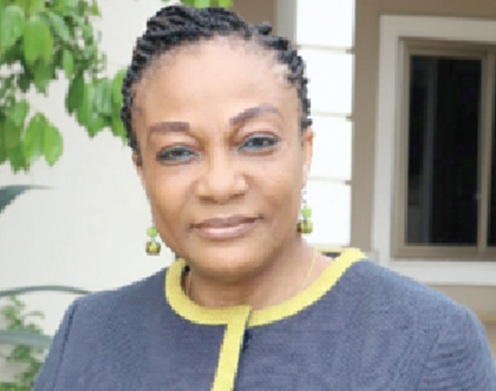
Otiko Djaba calls for effective use of women in all discourse
The Founder and Executive Director of the Henry Djaba Foundation, Otiko Afisa Djaba, has called for the effective and productive use of women in all public and governance discourses to deepen inclusivity and gender equality in the country’s democratic pursuits.
Ms Djaba maintained that if sustainable development was to be achieved in the country, then there was a need to deploy the skills and knowledge of women more functionally than resorting to tokenism, making it look as if the invitation to women to join in national discourse was a privilege.
She decried, for example, the composition of the Parliamentary Committee on Constitutional and Legal Affairs, where all 17 members were men.
She also listed a litany of programmes hosted by some media houses where panels were constituted exclusively of men to deliberate on national issues, even when such issues affected women more than men.
Sideline
She noted that if the media continued to sideline women in their programmes, it would reinforce existing prejudices and undermine Ghana’s professed commitment to meaningfully involving both sexes in national development.
She described such all-male discussion panels as “manels.”
She cited an instance of a programme on Ghana Television (GTV) about the unfortunate killing of some Ghanaians in Burkina Faso and the tomato trade, which featured an all-men panel when the trade involves women, and asked how meaningful the discussions could be without contribution from the key actors, women.
Ms Djaba pointed out that " these all-male panels are a disgrace to democracy, abnormal and unlawful", insisting that " a truly democratic media must reflect the diversity of the society it serves".
She noted further that "the reality in Ghana's media ecosystem reflects a persistent and systemic gender gap that undermines inclusive governance and democracy".
Ms Djaba said such developments "weaken public discourse and reinforce inequality and access to justice”.
“It is a signal that women's voices will not be heard, will not shape the narrative and perpetuates the perception that women do not matter at the discourse and decision-making table".
