
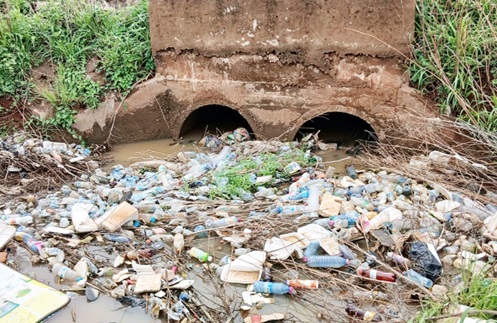
Poor Tamale sanitation threatens health
The onset of the rainy season has laid bare the deepening sanitation crisis in the Tamale Metropolis.
With every downpour, the streets become flooded, not just with water, but with plastic waste and filth, exposing residents to heightened risks of disease and environmental hazards.
Also, gutters choked with garbage cause flooding on roads, homes and shops.
The poor drainage infrastructure coupled with indiscriminate waste disposal is exposing many residents to health hazards.
Health risks
Health experts have expressed fear about the consequences of the sanitation crisis.
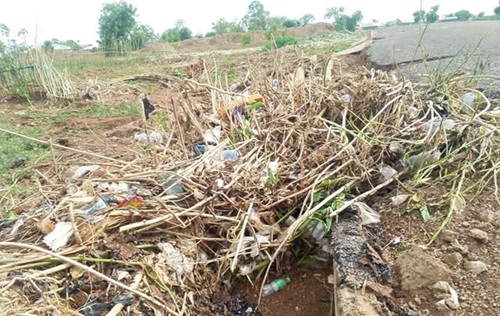
A heap of rubbish on the Kanvili-Kpawumo road
According to them, waterborne diseases such as cholera, diarrhoea and typhoid are likely to spread as rainwater mixes with waste and flows into residential areas.
An Environmental Health Analyst at the Tamale Metropolitan Assembly, Sumayatu Alhassan, said the situation was causing environmental pollution and exposing residents to health dangers.
“When gutters are choked with plastic and debris, they can’t direct the rainwater properly.”
“Instead, the water flows into people’s homes, sometimes carrying contaminated matter from toilet areas.
This creates serious health risks,” she explained.
She pointed out that stagnant water was breeding ground for mosquitoes, which increases the incidence of malaria and other vector-borne diseases.
Road hazards
Road users are among those who bear the brunt, as the floods often sweep piles of debris onto the main roads, making it difficult for motorists and pedestrians to ply the roads.
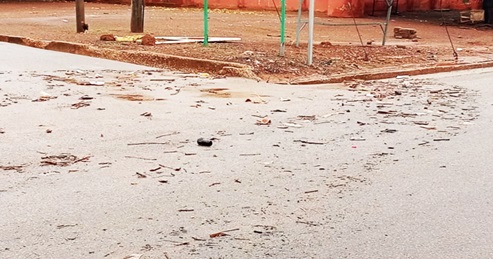
Debris on a section of the Gurugu road in Tamale
A motorbike rider, Abdul Kadir Musah, recounted how he was involved in an accident due to debris on the road after heavy rain.
“I tried to swerve to avoid the rubbish and ended up colliding with another motorbike. I was injured, and my bike got damaged," he lamented.
He blamed the incident on the poor construction of drains which results in overflow during heavy rains.
Economic impact
The effects of poor sanitation go beyond health as businesses also suffer the consequences.
For a shop operator such as Stephen Nayi, the stagnant water in front of their shops often drives away customers.
“The smell, the mosquitoes — people don’t want to come near. I lose many customers.
The city needs to do something before the situation worsens."
Way forward
The Tamale Metropolis has been battling with poor sanitation and perennial floods for the past years.
According to the 2021 District League Table Report by the National Development Planning Commission (NDPC) and UNICEF Ghana, the Northern Region scored only 42.4 per cent in sanitation performance, ranking 9th among Ghana’s regions.
To address the situation, there is a need for authorities to expand and desilt the drainage systems in the metropolis to prevent floods.
Also, the assembly must strictly enforce bylaws to deal ruthlessly with persons who litter the environment and choke drainage systems.
