
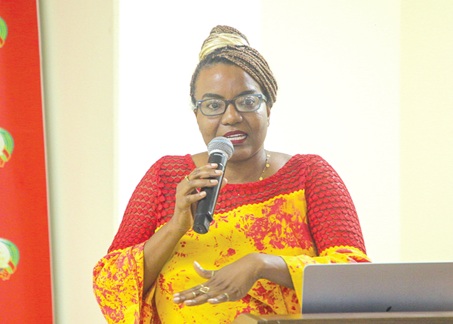
Streamline tax collection to ease burden on informal workers - Prof. Anyidoho urges govt
An Associate Professor at the University of Ghana, Prof. Nana Akua Anyidoho, has urged the government to improve coordination in revenue collection between the Ghana Revenue Authority (GRA) and metropolitan, municipal and district assemblies (MMDAs) to reduce duplication.
She said many informal workers, particularly market traders, often faced repeated demands from different tax collectors, creating confusion and frustration about which institution was authorised to collect certain taxes and levies.
The associate professor, therefore, said that streamlining the collection process would make tax payment easier, and improve transparency and accountability in the system.
Speaking to the media at a policy dialogue organised by Women in Informal Employment: Globalising and Organising (WIEGO) in Accra, Prof. Anyidoho said that taxpayers were more likely to comply when they saw tangible services and development in their communities funded by their taxes.
“Clearer information on how taxes are used, such as improvements in markets, drainage and sanitation facilities, would strengthen public trust and encourage voluntary compliance,” she said.
Advantages
Prof. Anyidoho also indicated that better coordination between GRA and MMDAs would help simplify the tax collection process.
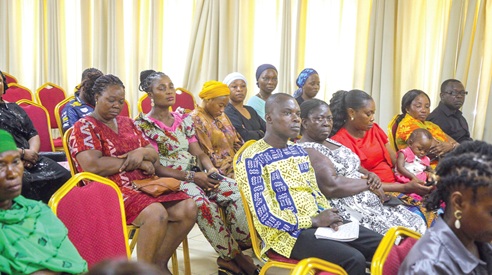
Participants
She observed that workers in the informal sector often struggled with multiple tax demands because different institutions collected various taxes and fees independently.
“We are suggesting that the entities work together to create a more coordinated and simplified system so that people do not feel that someone is constantly coming to demand money from them,” the associate professor added.
She also said that improving transparency and public services would encourage voluntary tax compliance among informal workers since many of them had indicated that they would be more comfortable paying taxes if they understood how the funds were used to improve infrastructure and services in markets and communities.
Prof. Anyidoho said that visible investments in sanitation, drainage and market facilities funded by tax revenue could strengthen public confidence in the system and encourage taxpayers.
Relevance
An Assistant Commissioner in charge of Research and Policy Analysis at GRA, Dr Alex Moyem Kombat, said taxes remained the backbone of the country’s revenue mobilisation and national development.
He said the government relied heavily on tax revenue to finance its operations and deliver essential services to citizens.
Dr Kombat said taxes came in different forms and were expected to be paid by individuals and businesses across both the formal and informal sectors of the economy.
He said without taxes, the government would not have the resources required to run public institutions or implement development programmes.
Dr Kombat stated that tax revenue collected by the state was paid into the Consolidated Fund, from which the government financed essential expenditures, such as public sector workers’ salaries, servicing the national debt, and implementing major social intervention programmes.
