

UG student aid supports 20,000 students
University of Ghana’s Students Financial Aid Office (SFAO) has provided financial support to over 20,000 students since its inception two decades ago, in its mission to promote equity and expand access to tertiary education.
The Head of the office, Selina Torisson Saaka, who made this known, explained that the various types of support offered had made a tangible difference in the academic journeys of thousands of students, many of whom may not have completed their education without aid.
“With the kind of aid we give, unlike some other faculties that are around in this space, we do a minimum of tuition. And looking at it from that point of view, we've done over 20,000 students over the past 20 years.”
They are bursaries, but some also come with accommodations, stipends and even book allowances. But those are fewer,” she said.
Event
Ms Saaka said this in an interview with the Daily Graphic recently on the sidelines of the second day of the SFAO’s 20th anniversary conference.
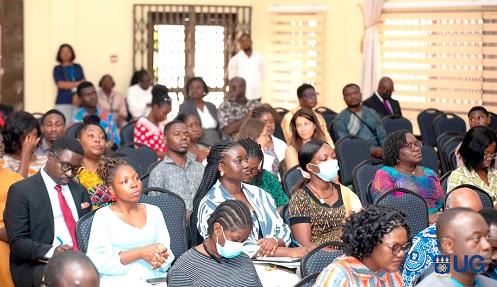
The anniversary is on the theme: “Promoting Equity, Expanding Access and Enhancing Aid Administration in Tertiary Education.”
The two-day event convened key stakeholders from higher education institutions, student support services and corporate Ghana.
Challenges, shortcomings
Ms Saaka lamented several challenges the office faced in promoting equity and expanding access to tertiary education, including limited funding, saying: “There’s never enough money.”
“Our funding sources have been a combination of internally generated funds, which account for the majority, alumni, foundations, individuals, corporates and even government,” she added.
She said some needy students self-excluded for various reasons, failing to step forward for support even when they qualified.
Additionally, she cited the rigid structure of aid eligibility, which often made it difficult to assist students whose circumstances fell outside predefined criteria.
On the office’s shortcomings, Ms Saaka admitted that tracking the long-term outcomes of beneficiaries remained a work in progress.
The head of office said that while graduation rates were monitored, the SFAO was currently working to build a centralised database to synchronise and manage beneficiary data more effectively to strengthen the office’s impact in the years ahead.
No Fee Stress, vision
Touching on President John Dramani Mahama’s “No Fee Stress” policy in response to a question on how it augmented her outfit’s mandate, the SFAO boss described it as a crucial intervention that aligned with the SFAO’s mission of promoting access and inclusiveness.
Ms Saaka explained that students often faced the frustrating barrier of needing to enrol before becoming eligible for financial aid, which excluded those unable to afford initial fees.
The new policy, she believes, would open the gateway for more students to access higher education without upfront financial stress.
She also stated that the policy would give first-year students time to familiarise themselves with available support systems, ensuring they were better informed and prepared to seek aid if needed.
Looking ahead, Ms Saaka outlined a collaborative vision for the next decade, focused on expanding access and ensuring no student is left behind.
Through those collaborations and knowledge sharing, she said the office could, in just the next decade, scale its impact and broaden the scope of aid beneficiaries to reach more than the 20,000 students supported so far.
