
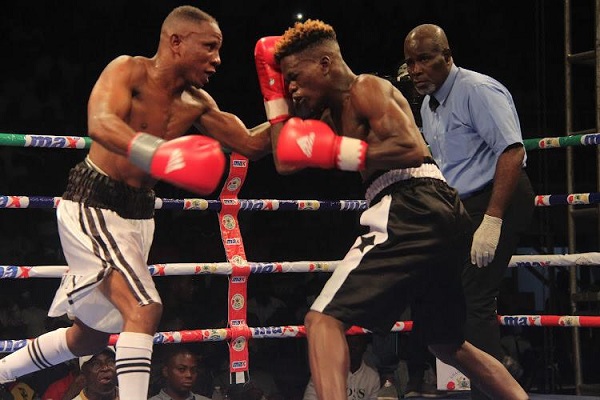
Forgotten champions: The harsh reality of Ghanaian boxers after retirement
Ghana has long been a cradle of boxing talent, producing world-class champions who have carried the nation’s flag proudly onto the global stage.
From the legendary Azumah “Professor” Nelson to Ike “Bazooka” Quartey, David “Poison” Kotei, and Joseph “King Kong” Agbeko, Ghanaian fighters have written their names in boxing history books. Yet, behind the glory, the harsh reality is that many of these warriors, after years of sacrifice inside the squared circle, retire into poverty, neglect, and ill health.
A Sport Without a Safety Net
Unlike other sports industries where athletes are cushioned by retirement packages, pensions, or structured unions, professional boxing in Ghana lacks an institutionalized welfare system. Boxers, who risk their health and dedicate their youth to the sport, are often left with nothing when their careers end. Without medical insurance, pension schemes, or career transition programs, retired boxers frequently struggle to meet even basic needs.
From Glory to Struggle
Several Ghanaian ex-world champions have spoken publicly about their post-retirement hardships. Many recounts how, despite fighting in front of thousands and earning international recognition, mismanagement, exploitative contracts, and lack of financial planning stripped them of their rewards. Some have been forced to rely on odd jobs, while others fade quietly into poverty-stricken anonymity.
Azumah Nelson, Ghana’s greatest boxing export, has often lamented how many of his colleagues have been forgotten. “These fighters gave their all for the country, but when the lights go out, no one remembers them,” he once said.
Exploitative Contracts and Lack of Transparency
A central issue is the exploitative nature of many boxer–promoter relationships. Without strict enforcement of regulations like the Muhammad Ali Boxing Reform Act in the U.S., Ghanaian fighters frequently sign away rights to their earnings under unfair contracts. Inadequate legal protections and lack of financial literacy leave boxers vulnerable to manipulation.
Health and Psychological Toll
Beyond financial struggles, retired fighters face long-term health challenges—chronic injuries, neurological issues like dementia pugilistica (punch-drunk syndrome), and mental health concerns. With no insurance coverage or welfare schemes, many cannot afford the medical care required to treat conditions caused by years of brutal competition.
The Way Forward
The Ghana Boxing Authority (GBA) has, in recent years, taken steps to advocate for improved welfare for boxers, but implementation remains slow. Experts suggest a multipronged approach:
• Boxers’ Pension Fund: A mandatory contribution system supported by promoters, sanctioning bodies, and government.
• Healthcare Coverage: Subsidized medical insurance for active and retired fighters.
• Education and Financial Literacy: Programs to help fighters manage income and prepare for life after boxing.
• Government and Corporate Involvement: Sponsorships and endorsements that ensure athletes’ long-term welfare, not just short-term gains.
Conclusion
Ghanaian boxing has brought immense pride to the nation, producing champions who have lifted its name onto the world stage. Yet, until the welfare of boxers is safeguarded, the sport risks leaving its heroes in despair. The plight of Ghana’s retired fighters is not just a sporting issue—it is a national call to action.
For the nation that celebrates its champions in the ring, the true measure of respect lies in how it treats them when the final bell has rung.
