
Accra to host crucial AI summit as Ghana pushes for ethical, local data-driven innovation
Ghana is set to take centre stage in Africa’s evolving artificial intelligence landscape as it prepares to host the second edition of the Pan African AI and Innovation Summit in September 2026. Branded as the Accra Mandate, the gathering is expected to sharpen the continent’s focus on building AI systems anchored in local data and guided by strong ethical governance.
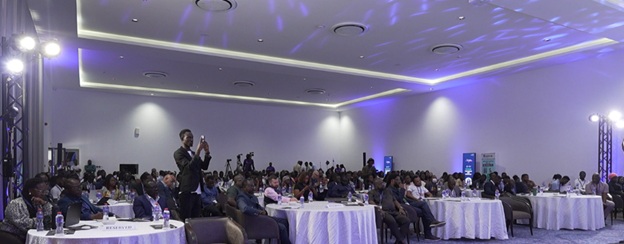
The summit, scheduled for September 22 and 23 at the Kempinski Hotel Gold Coast City Accra, follows what organisers describe as a successful inaugural edition in 2025. That event brought together policymakers, innovators and industry leaders committed to shaping a responsible AI agenda for Africa.
Under the theme “Scaling Africa’s Ethical AI & Innovation Ecosystem: Youth Empowerment, Policy, Partnerships & Skills”, this year’s summit aims to push discussions beyond theory towards practical frameworks that can reposition African countries from being passive consumers of imported technologies to active developers of home-grown solutions.
Central to the 2026 discussions will be what organisers term the “Strategic Value of Local Data”. They argue that while many global AI systems are powerful, they are frequently trained on datasets drawn largely from outside Africa, limiting their relevance to local contexts. Models built without African inputs may struggle to reflect realities such as agricultural cycles in Ghana’s Northern Region or the linguistic diversity of informal trading hubs across the continent.
The summit therefore seeks to champion AI systems grounded in indigenous datasets. According to organisers, prioritising local data ensures that algorithms supporting financial services, healthcare delivery and education systems are not only technically accurate but culturally attuned. They maintain that ethical AI development is closely linked to sovereignty and effectiveness, stressing that solutions rooted in local data “simply work better for our communities and businesses.”
Ghana’s ambition to lead this continental conversation rests on what the organisers describe as strong institutional foundations. Particular recognition is given to the National Information Technology Agency and the Data Protection Commission for laying the groundwork for a secure digital ecosystem.
The National Information Technology Agency is credited with driving the digitisation of government services and establishing standards to ensure secure and interoperable systems. Its efforts, summit proponents argue, have created the enabling environment required for a thriving digital economy.
Similarly, the Data Protection Commission is acknowledged for its role in implementing the Data Protection Act, 2012 (Act 843). By promoting accountability and safeguarding privacy, the Commission has helped build public trust in digital platforms, a key ingredient for the expansion of advanced technologies such as AI.
However, organisers suggest that the next stage of Ghana’s AI journey requires a shift “From Regulation to Enablement”. This includes reinforcing the role of NITA in championing advanced digital infrastructure, such as local cloud capabilities and high-performance computing resources, to support developers training complex models within Ghana rather than relying heavily on external platforms.
At the same time, the DPC is expected to refine its frameworks to address emerging concerns around automated decision-making and data use in AI systems. Clear guidelines on transparency and fairness, organisers argue, will provide confidence for startups and innovators to operate responsibly while protecting citizens.
Beyond policy and infrastructure, the summit places strong emphasis on youth empowerment and societal impact. A well-regulated, data-driven AI ecosystem, advocates say, could generate high-value employment opportunities for young people and accelerate the transition from basic digital literacy to specialised technical skills. Potential applications range from predictive tools for crop yields to traffic optimisation in Accra and more tailored educational support for students.
As anticipation builds, the 2026 Pan African AI and Innovation Summit is being framed as more than a conference. Organisers describe it as “an invitation to collaboration” and “a call for policymakers, private sector leaders, and technologists to come together at the Kempinski to draft a sustainable blueprint for the future.” They maintain that by leveraging local data and strengthening institutional cooperation, Ghana and its partners can ensure that AI becomes a driver of inclusive growth and sustainable development across Africa.
