


Expensive 2026 FIFA World Cup: Ticket pricing leaves fans squeezed, corporate budgets stretched
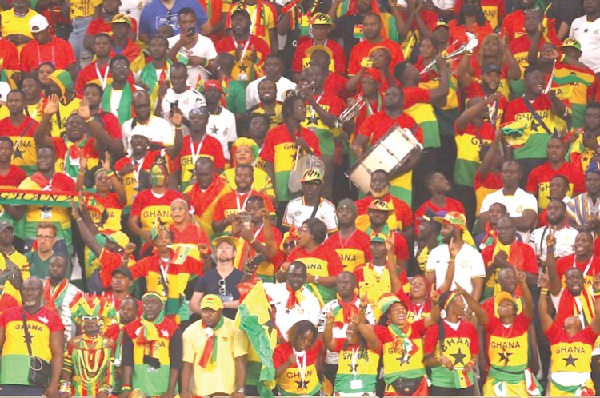
FOR Ghanaian football fans planning to travel to support Jordan Ayew-led Black Stars at the 2026 FIFA World Cup, that highly anticipated North America adventure is no longer just a matter of passion and patriotism; it has become a serious financial commitment.
It requires budgetary reconfiguration, with traditional high mark-up prices of goods and services in host cities of such global competitions.
With ticket prices, travel costs and hospitality packages all soaring, the world’s biggest football festival is fast turning into a premium experience that demands careful planning, whether you are a die-hard supporter or a company looking to entertain high-value clients.
Official prices released last week by football’s world governing body FIFA, under its Random Selection Draw window, show that Ghana supporters heading to watch the Black Stars in the group stage will need to budget carefully, with ticket prices ranging from $140 to $600, depending on the match and seating category.
Ghana’s opening fixture against Panama at BMO Field in Toronto is the most affordable of the three group matches. Category Three tickets start at $140, Category Two at $380, while Category One seats are priced at $450. The cost escalates sharply for the glamour ties.
The second group match, a high-profile clash against England at Gillette Stadium in Boston, carries the highest ticket prices: $220 for Category Three, $430 for Category Two, and a steep $600 for Category One seats.
Ghana’s third group game against Croatia falls within a similar upper range, reinforcing the premium placed on marquee fixtures.
These figures, while eye-catching, are only a snapshot of a much bigger story. The 2026 FIFA World Cup, jointly hosted by the United States, Canada and Mexico, is reshaping the commercial boundaries of football’s biggest event and is rapidly becoming football’s answer to the Super Bowl.
Dramatic leap
FIFA initially promised group-stage tickets starting at around $60, with final tickets peaking at $6,730. That assurance collapsed once dynamic pricing was activated for the first time at a World Cup.
Under the new system, prices surge with demand. Big teams, iconic stadiums and decisive matches now command eye-watering fees.
The contrast with the 2022 World Cup in Qatar is stark. In Doha, even final tickets rarely exceeded $1,600. In 2026, the cheapest final seat is almost seven times more expensive.
In fact, the only event that comes close in organiser-set pricing is the NFL’s Super Bowl.
When the United States submitted its winning bid in 2018, officials estimated that group-stage tickets would cost between $21 and $323, with final tickets capped at $1,550. Today, those numbers look almost laughable.
Upper-deck final tickets are selling at $5,575, while lower and second-tier seats have jumped to $8,680, up from $6,730 just weeks earlier.
Fan revolt and limited reprieve
Unsurprisingly, the pricing has triggered global outrage. Supporter groups around the world have branded the model as extortionate and a monumental betrayal of World Cup traditions. The pressure forced a partial rethink.
FIFA confirmed only last week that $60 tickets will be available for every one of the 104 matches, including the final, under a newly created Supporter Entry Tier.
These tickets will be distributed through national federations such as the Ghana Football Association (GFA), which will set eligibility criteria aimed at rewarding loyal fans who have consistently followed their teams home and abroad.
However, the reprieve is limited. The number of $60 tickets per match is expected to be a few thousand.
In total, 50 per cent of each participating member association’s allocation will fall within the most affordable tiers. For Ghana fans, this offers a narrow but meaningful opportunity to access the tournament at a more humane price, provided they meet the GFA’s loyalty criteria.
FIFA has also confirmed that fans whose teams fail to progress to the knockout stage will have administrative fees waived when refunds are processed.
The economic logic behind the pricing is brutally simple: demand is unprecedented. FIFA has already recorded 20 million ticket requests during the current sales phase alone.
With 48 teams — up from 32 participating countries — and a tournament spread across three countries from June 11 to July 16, FIFA expects to generate at least $10 billion in revenue, making this the most commercially successful World Cup ever.
Premium corporate hospitality
For corporate Ghana, the challenge is even steeper. World Cup hospitality has entered the realm of luxury experiences. Entry-level hospitality packages now start at around $2,000 to $5,300 per person for a single match, excluding host nation games.
Venue-specific packages, particularly for the final in New Jersey, begin at $15,000 for one game.
At the top end, premium multi-match bundles range from $25,800 to over $73,000, while private suites can exceed $100,000. These packages offer lower-bowl seating, gourmet dining curated by celebrity chefs, premium beverages, VIP lounges, exclusive entertainment, parking and commemorative gifts.
The reality is that, in every category, for every match, 2026 World Cup tickets are the most expensive ever sold.
For Ghanaian fans, hope now lies in federation allocations and careful match selection. For corporates, the World Cup is no longer just a sponsorship opportunity; it is a major investment that requires careful budgeting to ensure value in return on the spend.