
For years, we have been told the same message about staying healthy: eat well and stay active.
In Ghana, this advice is everywhere, from clinics to radio shows to community health talks.
While it remains true, new research is beginning to tell a more complicated story.
What if something we can’t see is quietly affecting our health? That “something” may be microplastics.
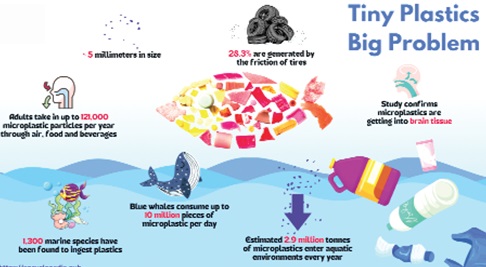
Microplastics are tiny pieces of plastic, smaller than 5mm, which have become part of our everyday lives.
They come from manufactured sources or the breakdown of larger plastics such as bottles and car tyres.
Some contain “metabolism-disrupting chemicals,” which can interfere with how the body processes food and uses energy.
Studies in animals show that microplastics can trigger inflammation and oxidative stress, both of which can disrupt metabolism and increase the risk of metabolic diseases.
This has led researchers to consider that, beyond poor diet and physical inactivity, microplastics may be contributing to the rising rates of diabetes, obesity, and hypertension.
Once seen only as environmental pollutants, microplastics have recently been detected in human blood, stool, placenta, and meconium (first stool of newborns), suggesting exposure can begin before birth.
How, then, do microplastics enter our bodies? One major pathway is the food chain.
Improperly disposed of plastics often end up in drains, rivers, soil, and the sea.
Over time, sunlight, heat, and physical processes break these plastics down into tiny particles known as microplastics.
These particles are ingested by fishes and absorbed by crops from the soil.
By consuming these crops and seafood, microplastics are transferred into our bodies.
Fish remains highly nutritious and proper waste disposal is necessary for a good food system.
Rethink
In Ghana, hot foods such as “banku and “kenkey” are often wrapped in plastic and sachet or bottled water are exposed to direct sunlight for long periods while being displayed outdoors or transported.
These practices can release microplastics or “metabolism-disrupting chemicals” into the food and water we drink.
We may also inhale them from air polluted by synthetic fibres, or absorb them through skin contact with cosmetics and personal care products containing plastic-based ingredients.
The problem may be global, but solutions can start in our homes, markets, and food joints.
First, we must rethink packaging.
Choose safer alternatives such as glass, ceramics, stainless steel, paper, leaves or truly biodegradable materials instead of plastics.
Therefore, be mindful when selecting paper packaging.
Natural materials like leaves, wooden bowls, calabashes, and baskets are safer options.
Leaves must be properly cleaned by washing thoroughly with clean water and, where possible, rinsed with salted or warm water.
Avoid using dirty napkins to clean the leaves.
Vendors
Food vendors can protect public health by avoiding serving hot food, oil, or soup in plastic bags and never reheating food in plastic containers. Using customer-provided non-plastic containers also helps.
The recent “plantain chips rubber saga” sparked unproven concerns about rubber or plastic being added during frying, highlighting the need to promote good food safety practices.
Choose cosmetics free from plastic-based ingredients and choose clothes made from natural fibres such as cotton, hemp, linen, jute, bamboo, wool, or silk.
It is also important to understand the types of plastics we use.
Many containers come with a number (usually at the bottom) that indicates their safety.
Plastics labelled 1 (PET) are meant for single use, while 2 (HDPE) and 5 (PP) are relatively safer.
Plastics labelled 3 (PVC), 6 (PS), and 7 (others) are more likely to release harmful chemicals, especially when heated.
Stronger policies regulating single-use plastics, disposal of plastic waste and promoting reusable carriers like woven baskets, raffia bags, and cloth tote bags can reduce reliance on plastic bags.
Finally, eating antioxidant-rich foods such as “kontommire”, garden eggs, and citrus fruits can help the body manage oxidative stress triggered by environmental exposures like microplastics.
As we work to reduce diabetes and other metabolic diseases, we must look beyond diet and exercise.
The way our food is packaged, stored, and served is part of the story.
By making informed choices and demanding better systems, we can protect our environment, health, and future.
The writers are a lecturer (PhD, RD) and a student, respectively.
Department of Dietetics,
SBAHS, University of Ghana
