
The Energy Commission of Ghana has targeted a 20 per cent reduction in building energy consumption within five years through the full integration of energy efficiency requirements into local government permitting processes.
It said the building sector remained one of the largest consumers of electricity in the country, with Heating, ventilation, and air-conditioning (HVAC) systems alone accounting for approximately 50 per cent of electricity costs in air-conditioned buildings.
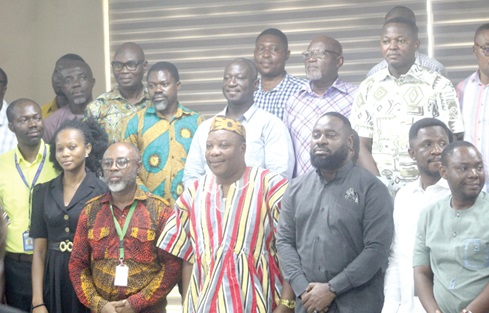
The Deputy Executive Secretary of the Energy Commission, Chris Nanabanyin Yalley, disclosed this at a training workshop for MMDA staff from the 14 regional capitals held last Wednesday (July 15) in Accra.
“As Ghana continues to urbanise and expand its infrastructure, it has become imperative that energy efficiency is no longer viewed as an optional consideration but as an essential component of every building development project,” Mr Yalley stated.
New guidelines
Mr Yalley said the Commission developed the Building Energy Efficiency Guideline based on GS 1207:2018 to promote energy-efficient building design and construction. The guideline, he added, supports the country’s commitments under the Paris Agreement and SDGs 7 and 13.
It introduces three compliance pathways: “Prescriptive, Performance-Based and Certification-Based” to ensure buildings of different categories meet appropriate energy performance requirements.
To ensure effective implementation, he said, the Commission had reviewed and proposed updates to the Local Government Service Operational Manual to embed energy efficiency workflows within the building permitting and development control processes of MMDAs.
“Today's engagement is therefore a critical milestone towards operationalising these workflows and ensuring their successful implementation across the country,” he said.
Mr Yalley expressed appreciation to the United Nations Environment Programme (UNEP) for technical and financial support towards stakeholder sensitisation, training programmes and the development of implementation tools, including Energy Efficiency Champions within MMDAs.
Energy-efficient buildings
The Greater Accra Regional Minister, Linda Ocloo, in a statement delivered on her behalf by the Chief Director of the Greater Accra Regional Coordinating Council, Rev. Harry Nii Kwatei Owoo, called for the deliberate integration of energy efficiency into building design and construction to manage the region’s growing energy demand.
She said Greater Accra, as the national capital and centre of commerce and governance, accounts for a significant proportion of the country’s energy consumption.
“The concentration of residential, commercial and public infrastructure continues to increase our energy consumption each year. This reality calls for deliberate and innovative measures to ensure that our development is both energy-efficient and sustainable,” she stated.
Ms Ocloo described as commendable the Energy Commission’s initiative to mainstream energy efficiency into the building permit administration system, saying it would ensure energy efficiency becomes “an integral component of our planning, design and construction processes” instead of an option.
She challenged technical officers including physical planners, engineers, architects and building inspectors to consciously incorporate energy-saving principles in public infrastructure such as schools, hospitals and markets to reduce consumption and operational costs.
She urged participants to share practical experiences and recommendations to shape an implementation framework that is “practical, enforceable and responsive to local realities.”
