
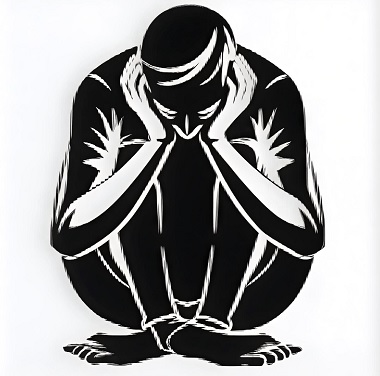
How can a source of comfort also prevent people from getting help?
In Ghana, religion deeply shapes perceptions of depression. Faith traditions offer guidance, community, and solace, yet seeking professional support is often discouraged or stigmatised.
Clinically, depression is diagnosed when symptoms such as loss of interest or pleasure and persistent low mood last for at least two weeks, cause significant impairment in daily functioning, and are not due to substance use or another medical condition.
Many Ghanaians find strength and hope in prayer and spiritual practices, which provide comfort and guidance during difficult times. However, this same reliance on faith can sometimes lead to misunderstandings about depression.
Emotional struggles such as depression are often interpreted as a lack of faith or spiritual weakness, and seeking therapy or counselling may be viewed as relying too much on human help.
As a result, people may feel pressured to stay silent, pushing their suffering aside and leaving them without access to professional care.
At the same time, religion can be a source of healing when approached thoughtfully.
Encouraging faith communities to support mental health openly, recognising depression as both a spiritual and medical condition, and integrating professional care with spiritual support can create safe spaces for people to speak and seek help.
Religion does not need to be a barrier to healing; it can coexist with therapy to strengthen recovery.
Understanding this tension is critical.
Supporting mental health in Ghana requires respecting spiritual identity while reducing stigma around professional care.
By bridging prayer, spiritual guidance, and therapy, individuals can feel, speak, and be understood without compromising their faith, allowing healing in body, mind, and spirit.
Student, USA.
E-mail:
