

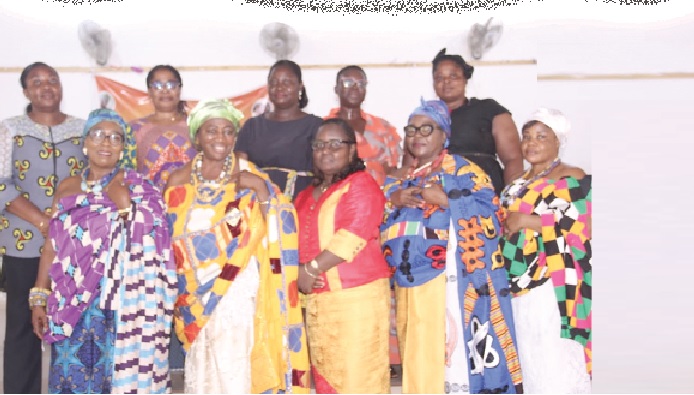
A GROUP of traditional leaders in the Ho municipality, Queens of Legacy, has expressed grave concern over the rising cases of HIV among teenagers in the municipality recently, saying their future looks very bleak if the trend continues.
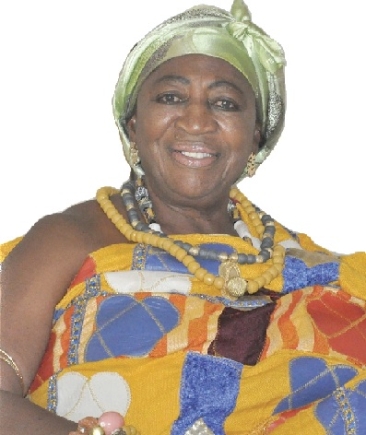
The President of Legacy Queens, Mama Atrato II, has, therefore, called on parents to sit up to their responsibilities and team up with school authorities to investigate the cause and help curb the trend as a matter of priority.
Figures from the Ghana AIDS Commission showed that, in 2023, females accounted for 65.52 per cent of the 2,176 people living with HIV in the region, while young people aged 15–24 constituted 27.5 per cent of new infections that year.
The total included 1,416 females aged 15 years and above, and 113 children below 15.
In 2024, the number of people living with HIV in the municipality rose to 3,107, comprising 2,048 females aged 15 and above, and 116 children below 15.
Of the 164 new infections recorded that year, 103 were females aged 15 and above, while eight were children aged 0–14.
“This trend is disheartening,” said the President of the Legacy Queens, Mama Atrato II, at an open forum with students of OLA Senior High School, Ho, on Friday, February 20, 2026.
She pledged the group’s firm commitment to contribute in various ways, including educational campaigns in schools to help curb the trend.
She said investigations by the Queens of Legacy had found that some girls in the area were now skipping school to engage in commercial sex, which was a grave cause for concern regarding the future of the children.
“Already, girls as young as 11 and 12 are getting pregnant, as is evident on the streets, and we cannot look on unconcerned for this to continue,” Mama Atrato added.
She said some pregnant girls often attempted to terminate the pregnancy through very crude means, putting their lives at risk.
Teenage girls who gave birth would be assisted by the Queens of Legacy to go back to school, Mama Atrato affirmed.
Allowances
Meanwhile, Mama Atrato called on the government to provide allowances for queen mothers to support their outreach programmes in homes and communities.
“We penetrate the communities better, and we need to be resourced to complement the government’s efforts in curbing teenage pregnancy,” she maintained.
Challenges
A member of the group, Mama Afiakuma II, urged students to talk about the challenges they face promptly and freely with their teachers if they were unable to do so with their parents.
“Keeping silent over the problem gives birth to the perpetuity of the problem,” she explained.
The group later gave out sanitary pads to the students.
