
The use of Artificial Intelligence (AI) in customs valuation and classification has increased monthly customs revenue by about $100 million since implementation began in April 2026, the Ghana Revenue Authority (GRA) has said.
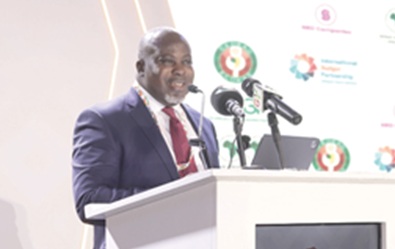
The Commissioner-General of the GRA, Anthony Kwasi Sarpong, who made this known, said customs revenue increased from an average of about $350 million per month before the reform to more than $450 million monthly.
He explained that this had come about because the authority resorted to digital innovation and administrative reforms without imposing new taxes or increasing existing tax rates.
Mr Sarpong, who was addressing the eight WATAF high-level policy dialogue and the 23rd General Assemby in Accra last Wednesday, said the additional revenue would strengthen the government’s capacity to finance development priorities, while improving the efficiency, accuracy and transparency of customs operations.
Event
The West African Tax Administration Forum (WATAF) event provides a platform for policymakers, tax administrators and other stakeholders to examine emerging tax policy challenges, explore innovations and strengthen regional cooperation.
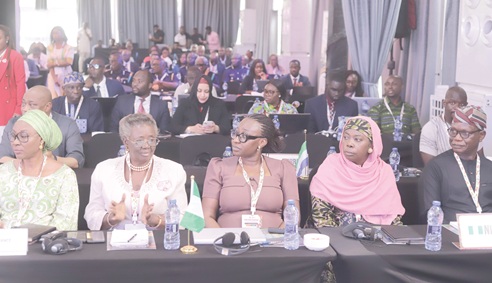
Participants in the dialogue
On the theme: “Building stronger tax administrations for revenue mobilisation and sustainable development,” the event is also expected to mark 15 years of WATAF’s efforts to strengthen tax administration, promote regional cooperation and enhance domestic revenue mobilisation across West Africa.
The five-day event is being organised by WATAF in collaboration with the GRA.
It is being attended by development partners, policymakers, regional organisations, academics, private sector representatives and international tax experts who are deliberating on practical measures to improve revenue mobilisation and also support sustainable development in the region.
Informal sector target
Mr Sarpong further said that GRA had intensified efforts at widening the domestic tax base by bringing more businesses in the informal sector into the tax net through the modified taxation scheme.
He said the scheme was intended to improve tax compliance and ensure that businesses operating outside the formal tax system contributed appropriately to national revenue.
Mr Sarpong added that the authority was also progressing with the automation of VAT collection across the country as part of measures to modernise tax administration and improve revenue mobilisation.
Annual financing gap
Mr Sarpong said West Africa faced an annual development financing gap of more than $100 billion, making stronger domestic revenue mobilisation critical to the region’s development.
He said the region’s tax-to-GDP ratio of about 13.5 per cent remained below the continental average, saying there was the need to broaden the tax base and formalise informal economic activities.
“The African Development Bank estimates that the annual financing gap in West Africa exceeds $100 billion, and that the gap can be closed through our effort,” Mr Sarpong said.
Broadening tax base
The Board Chairman of the GRA, George Kweku Ricketts-Hagan, said the government would pursue reforms to ensure that more individuals and businesses participated fairly and efficiently in the tax system.
“The essence of modern revenue administration is not simply collecting more, but understanding the economy well enough to collect fairly, efficiently and sustainably,” he said.
The chairman said the government would also work to reduce tax leakages, address tax evasion and avoidance, simplify compliance procedures and strengthen the use of data in revenue administration.
