
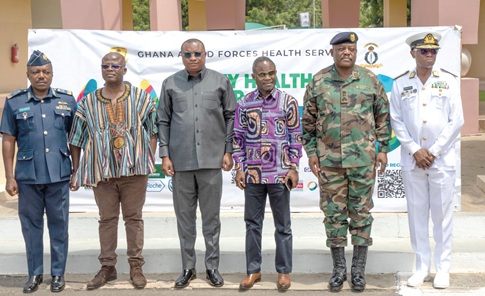
Commemoration of World Kidney Day: Increasing cases of kidney disease worrying — Akandoh
The Minister of Health, Kwabena Mintah Akandoh, has expressed concern over the increasing cases of chronic kidney diseases in the country, describing the situation as a public health challenge.
“Kidney disease is a silent but serious public health challenge. Across the world, millions live with the condition without knowing until the disease has advanced,” he said.
The minister said that between 40 and 45 per cent of deaths in the country were linked to non communicable diseases.
Kidney disease is often linked to preventable factors such as hypertension, diabetes, delayed health seeking behaviour, misuse of certain medicines, recurrent infections and exposure to environmental toxins.
Also of concern is environmental degradation, including pollution of water bodies, illegal mining and industrial waste, which he said were worsening the risk of kidney related illnesses.
Mr Akandoh was speaking at the launch of this year’s World Kidney Day at Burma Camp in Accra yesterday, on the theme: “Kidney health for all. Caring for people, protecting the planet.”
The day is used to create global awareness campaign to increase understanding of kidney health and the frequency and impact of kidney disease.
Organ transplant bill
The minister announced that his outfit was finalising an organ transplant bill to establish a legal framework for organ transplantation in the country as part of efforts to improve treatment for patients with end stage kidney disease.
He said the ministry was currently engaging key stakeholders as part of the law making process.
When passed, the legislation would provide the legal and regulatory framework required to support ethical, safe and coordinated organ transplant services in the country.
Organ transplantation offers the most effective pathway for many patients with end stage kidney disease.
Reforms
Mr Akandoh further said that the ministry was strengthening prevention through reforms in primary health care, early screening and public education.
He said they were working with the private sector to expand dialysis services across the country to improve access to treatment.
Dialysis remains life sustaining for many patients but it is costly because patients often require multiple sessions each week.
To reduce the financial burden on patients, the minister said the government had introduced the Ghana Medical Trust Fund to support treatment for non communicable diseases, including kidney failure.
Public awareness
The Deputy Minister of Defence, Ernest Brogya Genfi, also called for increased public awareness and routine screening to address the growing threat of kidney disease.
“We must deepen public awareness, encourage routine screening and support policies that improve access to quality medical care.
“Protecting kidney health is part of the broader responsibility to safeguard the health and productivity of our people,” he said.
Mr Genfi commended the Ghana Armed Forces Health Services, the GAF Critical Care and Emergency Hospital and the 37 Military Hospital for supporting efforts to promote kidney health.
He said maintaining the health of military personnel was essential to national security because operational readiness depended on physical fitness of soldiers.
The deputy minister, therefore, encouraged soldiers and defence civilian staff to take personal responsibility for their health by staying hydrated, maintaining physical fitness, eating balanced meals and regularly checking their blood pressure and blood sugar levels.
