
CSOs call for clearance of family planning goods stuck at port - Commodities uncleared since 2024
Family planning commodities such as condoms and other contraceptives have been stuck at the Tema Port since August 2024.
The commodities, valued at $500,000, were procured by the United Nations Population Fund (UNFPA) for the Ministry of Health, but have remained uncleared at the port for nearly two years.
Civil Society Organisations (CSOs) have, therefore, urged the government to expedite action to ensure the immediate clearance of the commodities, cautioning that some were nearing expiry and that continued delay posed a threat to the lives and health of women and girls across the country.
The CSOs Platform on the Sustainable Development Goals (SDGs) further called on the Ministry of Health to publicly acknowledge the delay, provide a clear timeline for resolution and outline measures to prevent a recurrence.
Additionally, the CSOs platform also wants the Ghana Health Service (GHS) to implement contingency plans to prevent stock-outs at the facility level.
Again, they called for a review of the Customs classification of United Nations agencies and diplomatic bodies to prevent future administrative bottlenecks.
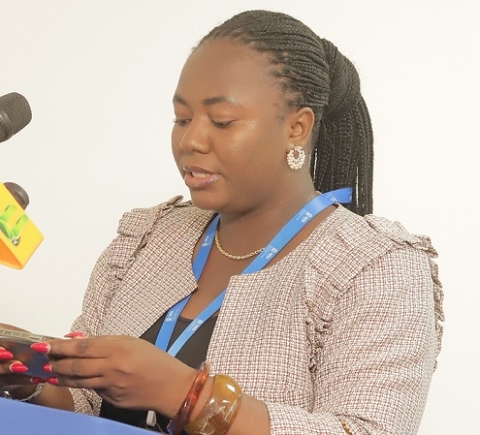
The group made the demands at a press conference in Accra yesterday.
Since 2024, efforts by CSOs have led to the release of medical supplies valued at more than $1.6 million and donated to the country by the West Africa Health Organisation (WAHO) and UNFPA.
However, some consignments, such as these family planning commodities, were yet to be cleared.
Domestic funding
The Advocacy and Youth Coordinator of Marie Stopes Ghana, Henrietta Kaalyire Ataah, called for an increase in domestic financing to reduce reliance on external donors and ensure a stable supply of family planning commodities.
She said the stock levels at the national and regional medical stores continued to decline, leaving clinics across the country at increasing risk of running out of contraceptives.
Ms Ataah said evidence had shown that modern contraceptive use could prevent up to 70 per cent of maternal deaths and reduce under-five mortality by 58 per cent, adding that maternal mortality remained high at 310 deaths per 100,000 live births.
She also mentioned that increasing adolescent pregnancies and unsafe abortions might become unavoidable if the situation is not urgently addressed.
In view of progress made, Ms Ataah said the country must work to sustain gains made in family planning, referencing data from the 2022 Demographic and Health Survey, which showed that unmet need for family planning declined from 30 per cent in 2014 to 23 per cent in 2022, while knowledge of modern contraceptive methods is nearly universal among women aged 15 to 49.
Collaboration
The Programmes Manager for the Alliance for Reproductive Health Rights, Isaac Nyampong, called for a strong collaboration between civil society and the media to push for a permanent solution to such situations.
The National Coordinator of the Ghana CSOs Platform on SDGs, Levlyn Konadu Asiedu, cautioned that the situation could damage the country’s reputation among international partners, as donors who provided free commodities may reconsider their support if administrative inefficiencies persisted.
She said at the facility level, health workers were already facing shortages, forcing women to leave without the services they needed.
