
Distribute doctors fairly nationwide — Nanton MP
The Member of Parliament (MP) for Nanton, Dr Mohammed Sherif Abdul-Khaliq, has raised concerns about the inequitable distribution of doctors in Ghana’s health system, describing it as a major factor undermining quality health care in deprived areas.
Dr Khaliq expressed dismay that while hospitals were overstaffed, many districts had just a few doctors serving tens of thousands of people.
“That cannot be equity, that cannot be right.
Three doctors are serving an entire district, yet we have hundreds seated in one hospital. Some of them barely see patients regularly, while others are overwhelmed daily, and this is unfair.
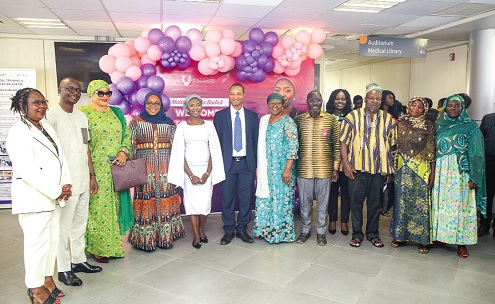
He was speaking at the Maltiti Care International Maternal Health Summit in Accra.
Imbalance
Dr Abdul-Khaliq explained that this imbalance worsened congestion and workload in major facilities such as Korle Bu Teaching Hospital while depriving rural and underserved communities of essential care.
“I told the people at Korle Bu (that) if you don’t want all the cases coming to you, then move your doctors out, move your gynaecologists, move your specialists. When you do that, your workload and bed crisis will reduce,” he said.
He further proposed that teaching hospitals should be allowed to operate more independently, including managing their staffing and financing. This, he said, would discourage the over-concentration of health professionals in the big cities.
“If Korle Bu knows it can only pay 10 doctors, it won’t keep 30 extra. But because the government pays everyone, hospitals continue to hoard staff,” he explained.
The Nanton MP also urged the Ghana Health Service to decentralise its recruitment system by allowing vacancies to be declared and filled directly at the district and community levels.
He stated that this would help ensure that postings were accepted and retained.
“If we allow the Northern Region or Nanton District to say they have a post for three midwives, whether you are in Abetifi, you’ll see that it is Nanton District that is advertising.
When you pick it, you know exactly where you’re going, and you can’t later say you want to be in Accra.
“We must stop the practice where all vacancies are declared only at the top.
Let the districts and communities recruit directly so people take ownership of their postings.
That’s the only way to ensure equity.”
Dr Khaliq also advocated equitable distribution of health personnel and incentives to attract professionals to rural areas, saying, “A doctor in the Northeast serving over 45,000 people cannot be taking the same salary as another who does one check a week.
“It’s unfair, and something must be done urgently,” he stressed.
