Ghana courts EU support to rescue citizens from Russia-Ukraine war
Ghana has called for the support of the European Union (EU) Commission in rescuing its citizens reportedly trafficked into the Russia-Ukraine war under deceptive circumstances.
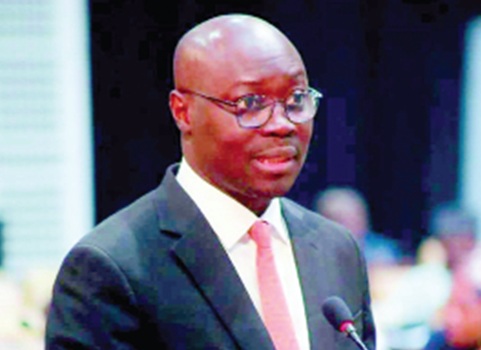
The acting Minister of Defence, Dr Cassiel Ato Forson, who made the appeal, explained that many of the youth were lured abroad with promises of education and employment opportunities, only to find themselves in distressing conditions linked to the ongoing conflict.
He, therefore, advocated coordinated international intervention to identify and facilitate the safe evacuation of those trapped in the war zone, including individuals believed to be held as prisoners.
Dr Forson made the call during bilateral discussions he had with the EU Delegation led by the EU Commission High Representative and Vice-President, Kaja Kallas, at the Ministry of Defence, Accra.
The meeting focused on deepening defence cooperation, addressing emerging security threats and seeking urgent support to rescue Ghanaians trafficked into the ongoing Russia-Ukraine war.
The engagement formed part of the EU Delegation’s official visit to Ghana following the signing of a security and defence partnership between Ghana and the EU.
Background
The Minister of Foreign Affairs, Samuel Okudzeto Ablakwa, had initiated diplomatic engagements with Ukrainian authorities, including discussions with their President, Volodymyr Zelenskyy, which had led to the successful rescue of some Ghanaian nationals.
However, several others remain in the conflict zone, necessitating continued international collaboration.
Significance
In a release issued after the meeting by the ministry, Dr Forson explained that rescuing the affected nationals remained a top priority for the government, adding that their eventual return would not only ensure their safety but also provide valuable testimonies to caution others against falling victim to similar schemes.
He further raised concerns over the safety of Ghanaian peacekeepers deployed in international missions, particularly considering recent missile attacks in Lebanon, and called for enhanced protective measures to safeguard troops.
Dr Forson called for broader global peace efforts, including interventions in ongoing tensions involving the United States, Iran and Israel, saying such conflicts had far-reaching economic implications for countries worldwide, including Ghana.
Touching on maritime security, Dr Forson advocated strengthened collaboration to combat rising piracy within Ghana’s maritime domain, citing increasing attacks on Ghana’s fishermen.
On the donation of military equipment by the EU, the acting minister expressed appreciation and said the equipment would be deployed to support the Electronic Warfare Centre, an initiative aimed at strengthening border security and intelligence capabilities.
The acting minister also appealed for additional EU assistance to equip Ghana’s Forward Operating Bases (FOBs), revealing that six FOBs had been constructed, with four ready to be operationalised but requiring the necessary logistics to function effectively.
He said adequately resourcing those bases would significantly enhance Ghana’s ability to respond swiftly to security threats, particularly along its borders.
Commitment
The European Union Delegation reiterated its readiness to support Ghana in addressing security challenges, promoting peace and stability within the West African sub-region and assisting in efforts to safeguard Ghanaian citizens.