
Ghana to get free quality medicines for childhood cancers
Ghana has been selected as one of the countries to benefit from a global initiative that offers free quality-assured medicines for childhood cancers.
The selection of Ghana by the Global Platform for Access to Childhood Cancer Medicines, an initiative of the WHO, St Jude's Children's Hospital in the USA and UNICEF, would see it receive cancer treatment drugs for children at relatively no cost in the next two to three years, with the facility available for all childhood cancers.
This would make Ghana one of the 12 countries globally and third in Africa that are benefiting from the initiative.
Validation meeting
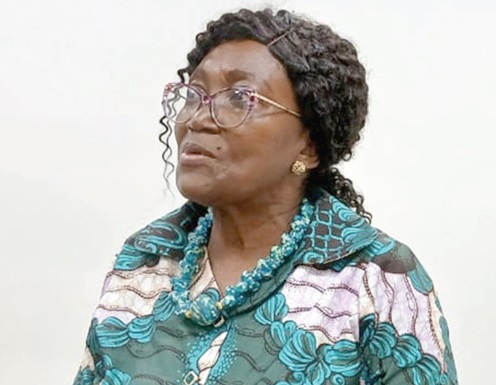
The President of Childhood Cancer Society of Ghana, Professor Lorna Awo Renner, announced this at a stakeholder validation meeting to review, refine and endorse the first-ever comprehensive Guidelines for Childhood Cancer Treatment in the country.
Developed by Childhood Cancer Society of Ghana with funding from World Child Cancer and support from WHO country office, Clinton Health Access Initiative and the Ghana Health Service, the guidelines were developed through a collaborative, multi-disciplinary process involving paediatric surgeons, paediatric oncologists, nurses, pharmacists, neurosurgeons, radiation oncologists and orthopaedic surgeons.
Elated by the news of the selection, Professor Renner said the initiative would assure the country that the drugs it receives are of high quality.
She explained that previously, medicines for childhood cancer treatment were imported by private pharmaceutical firms from various sources, often with limited knowledge of their contents.
"But these are quality assured.
They have been used elsewhere and you should be able to forecast the needs of your country, which we have done," she said.
Difference
Later in an interview, Professor Renner said the selection of Ghana for the initiative was going to make a huge difference in childhood cancer treatment in the country, explaining that it would help increase the number of parents accessing care for their children with cancer.
"At least, about 30 per cent of parents cannot continue treatment.
They start and then they stop.
The children abandon treatment.
They come a few months later and the thing has grown huge or they don't come at all and the children will die in the house.
But now with this, they can continue treatment to the end without parents selling their cars, houses, personal belongings or be impoverished because of drug treatment.
The drugs are free," she said joyfully.
She said the ability for children with cancers to complete treatment implied opportunity for cure, thereby having many more children living normal lives and growing up to contribute meaningfully to society.
Professor Renner said though the drugs were being offered freely to Ghana, the Ministry of Health would have to bear the cost of other things such as its clearance from the port and transportation to the various sites in the country.
She said treatment with drugs was not everything in childhood cancer, explaining that there were other costs such as investigations, surgery and radiotherapy.
She, therefore, appealed to benevolent organisations to continue to help children with cancer access other aspects of care, which were very important such as diagnosis, surgery, radiotherapy and other supportive care.
Advise
She advised parents to seek a second opinion when they realise any of their children was sick with any disease that they were not getting better.
She mentioned some of the commonest signs to look out for to include a white spot in the eye that is obvious even in a child less than a year old, swelling in any part of the body including the neck, arms and abdomen; losing weight though they are eating; severe anaemia though they do not have sickle cell; blood in urine or bleeding from the nose or mouth.
"The good thing is that childhood cancer is highly curable, more curable than adult cancers.
So don't be scared. Know that if your child comes early, we will be able to give hope for cure for the child," she gave an assurance.
