Campaign financing reforms key to inclusion — GenCED
The Gender Centre for Empowering Development (GenCED), a civil society organisation has called for significant reforms regarding campaign financing laws in the country.
This follows a study it conducted, which revealed that many women, young people, and persons living with disabilities faced structural barriers that limited their participation in the country’s political space.
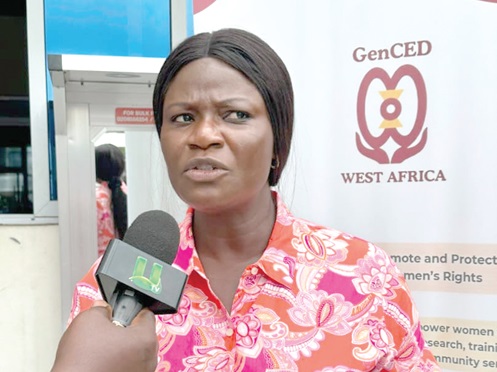
The Executive Director of GenCED, Esther Tawiah, made the call yesterday at a Civic Townhall Engagement in Accra.
The engagement was attended by political actors, women and youth groups, CSOs and other stakeholders committed to promoting inclusive political participation.
Dialogue
The dialogue was a platform for political actors, women, youth groups and other stakeholders to openly discuss the financial barriers associated with political participation, such as filing fees, campaign expenditure and vote buying.
It provided an opportunity for former, aspiring, and incumbent political actors to share experiences and perspectives on the realities of political participation in Ghana.
The event also saw the proposal of a Citizens’ Model Law on Campaign Financing, which involves creating an independent electoral party regulator to oversee campaign financing and ensure fairness in political campaigning.
It also formed part of GenCED’s broader efforts to promote inclusive governance, particularly for women and young people who were affected by the high cost of political participation.
Gaps
In an interview with the Daily Graphic, Ms Tawiah said that gaps in existing laws allowed political financing to operate with limited scrutiny.
This, she said, created opportunities for corruption, which reduced public confidence in democratic institutions.
“There are huge gaps and wealthy people exploit these loopholes and make it difficult for women, young people and persons with disabilities to participate meaningfully in politics,” she said.
Ms Tawiah added that although the law restricted the financing of political parties to Ghanaian citizens, comparable provisions had not been clearly defined for individuals seeking public office.
She cautioned that such loopholes could leave the country's political system vulnerable to undue influence from persons whose interests might not be aligned with Ghana's national development priorities.
The Executive Director further advocated the establishment of an independent authority to regulate political financing, monitor compliance and ensure transparency in campaign funding and expenditure.
"If we want to fight corruption, we need to be able to know where every candidate is making their money from," she said.
She also stressed that women often faced additional financial pressures arising from caregiving responsibilities and other hidden campaign-related costs, placing them at a disadvantage compared with their male counterparts.
"If you are calling for affirmative action, then the next thing that we need to be calling for is a gender-responsive campaign financing law," she said.
Ms Tawiah also urged citizens to protect their civic and political rights by rejecting vote-buying and demanding greater accountability from political leaders.
“These changes will help to build an inclusive political system capable of producing leaders driven by ideas and public service rather than financial influence,” she said.