


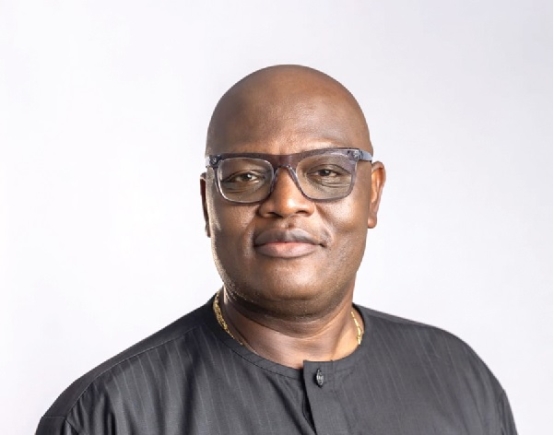
GIPC takes investment roadshow to Central, Western regions
THE Chief Executive Officer of the Ghana Investment Promotion Centre(GIPC), Simon Madjie, has said the Centre is taking its Investment Opportunity Mapping Project to the Central and Western regions to attract new capital and deepen district-level investment facilitation.
The regional investment roadshow will be held from January 19 to 23, 2026, bringing together investors, district assemblies and private sector players to discuss bankable projects across the two regions.
GIPC said the exercise was aimed at unlocking local opportunities and strengthening the capacity of districts to engage investors with clear and credible data.
The roadshow is part of GIPC’s flagship Investment Opportunity Mapping Project, which focuses on identifying and promoting investment-ready projects at the district level.
“The roadshow was organised to showcase the untapped potential of the Central and Western regions and provide investors with projects they can act on confidently,” he said.
Investment opportunities
Under the Investment Opportunity Mapping Project, GIPC has so far profiled 75 investment-ready opportunities across priority sectors of the economy.
“By mapping investment-ready projects in every district, we are ensuring investors have the data they need to make informed decisions,” Mr Madjie said.
These sectors include mining, manufacturing, information and communication technology, renewable energy and agribusiness.
The Central and Western regions are expected to feature prominently due to their agricultural output, natural resources and coastal economies.
In agriculture, the Western Region leads Ghana’s cocoa production and is also a major producer of rubber, while the Central Region is known for cassava and pineapple cultivation.
GIPC said there were opportunities in large-scale farming, agro-processing, modern storage facilities and supply chains to reduce post-harvest losses.
“Investors can explore modern storage, agro-processing and commercial farming opportunities that directly boost local economies,” Mr Madjie said.
It is being organised in partnership with MTN Ghana, in collaboration with the Office of the Chief of Staff and the Ministry of Trade, Agribusiness, and Industry.
Other participating institutions include the Ghana Export Promotion Authority, Ghana Freezones Authority, Ghana Enterprises Agency, the 24-Hour Economy Secretariat, and the Central and Western Regional Coordinating Councils.
GIPC said the Central and Western region roadshows followed similar engagements held in the Volta and Oti regions earlier in 2025.
“These previous engagements helped strengthen partnerships with local authorities and private sector actors, which we aim to replicate in the Central and Western regions,” he said.
Fisheries, tourism and energy
Both regions also offer prospects in fisheries and aquaculture, supported by coastlines, lagoons and river systems suitable for artisanal and industrial fishing.
Tourism opportunities are anchored by heritage sites such as the Cape Coast and Elmina Castles in the Central Region and beaches including Busua and Dixcove in the Western Region.
Investment areas include heritage hotels, beach resorts, eco-lodges, adventure tourism facilities and conference centres.
In energy, the Western Region’s oil infrastructure and the Central Region’s river systems create openings for hybrid energy solutions, mini-hydro projects, solar, wind, bioenergy and rural mini-grids, aligned with the 24-Hour Economy agenda.
“Energy and tourism provide key entry points for investors seeking returns while supporting local development,” he said.
Despite these prospects, GIPC records showed uneven investment flows across the two regions over the years.
According to a press release from GIPC, between 1995 and September 2025, the Central Region recorded 154 foreign direct investment projects valued at US$491.36 million, while the Western Region recorded 294 projects with total foreign direct investment of US$10.83 billion.