
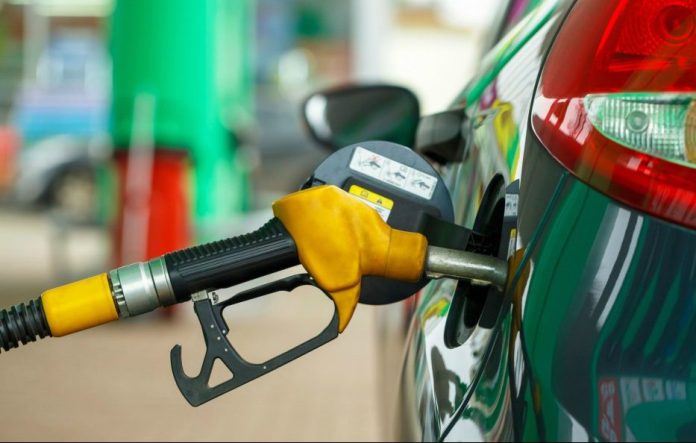
Two downstream petroleum sector think tanks are convinced that fuel prices at the pump could rise to abnormal levels beyond the next pricing window on Monday, but want the government to consider removing some of the existing fuel taxes to cushion consumers from the impact of the global petroleum supply disruptions.
As the prices keep surging on the international market due to the ongoing United States–Israel conflict with Iran, the industry players maintained that the government had no option but to remove or suspend some of the taxes and levies that had outlived their purposes on the petroleum price build up.
For instance, they explained that consumers currently paid about GH¢4.27 per litre on petrol and GH¢4.25 per litre on diesel in taxes, levies and margins, insisting that some of the charges — particularly the GH¢1 Energy Sector Shortfall and Debt Repayment Levy, introduced last year under the Energy Sector Levy Act — had outlived their purposes and could be removed to help moderate pump prices as the global fuel costs continued to rise.
The two, the Centre for Environmental Management and Sustainable Energy (CEMSE) and Chamber of Petroleum Consumers (COPEC), stressed that while short-term interventions, such as removing existing fuel taxes, could ease the immediate burden on consumers, long-term solutions were critical.
The experts proposed that long-term strategies, including investing in domestic refining capacity — especially at the Tema Oil Refinery (TOR) and other private facilities — and establishing a national strategic storage reserve fund, were critical to ensure the country’s resilience against future global supply shocks.
Context
Oil prices have surged significantly since the outbreak of the United States–Israel conflict with Iran late last month, amid fears of supply disruptions from the Middle East.
Initial strikes by US and Israeli forces triggered a sharp seven to 13 per cent increase in crude benchmarks such as brent and WTI (West Texas Intermediate), pushing prices from about $67/$73 per barrel to between $77 and $82 within days.
The surge peaked on Monday, March 9, 2026, when Brent crude briefly spiked to nearly $120 per barrel — the highest level since the aftermath of Russia’s 2022 invasion of Ukraine — before easing to just over $90 per barrel by Tuesday morning, still well above pre-conflict levels.
Immediate policy measures
The Executive Director of CEMSE, Benjamin Nsiah, cautioned that the volatility in the oil market could soon translate into sharp increases in local fuel prices, and therefore required urgent policy responses from the government.

Benjamin Nsiah, Executive Director, Centre for Environmental Management and Sustainable Energy (CEMSE)
He stated that based on current trends, fuel prices could rise above GH¢16 per litre in the next pricing window if the international market continued on its current trajectory.
He stressed that authorities needed to assess the situation critically and introduce immediate measures to cushion consumers.
“We must critically assess the volatile nature of the market and how it is likely to affect prices locally.
If the trend continues, fuel could hit above GH¢16 per litre, and that means we need to begin considering some policy options,” he said.
Mr Nsiah explained that consumers already paid more than GH¢4 per litre in taxes, levies and margins on petrol and diesel, and argued that some of those charges had outlived their purposes and should be reviewed.
He stated that removing such taxes could help stabilise pump prices in the short term and reduce the burden on consumers, although he did not support the introduction of subsidies because they could worsen the country’s debt situation.
“If about GH¢2 per litre were removed from the price build-up, pump prices could drop to around GH¢13 per litre, which we believe, would remain within the purchasing ability of most Ghanaian consumers,” he said.
Currently, petrol is selling for an average of GH¢11.40 a litre for regular and GH¢13.30 for premium, while diesel is going for GH¢12.42 per litre on the average.
Cheaper dollars
Mr Nsiah called on the Bank of Ghana (BoG) to increase its foreign exchange auction support to Bulk Distribution Companies to enable them to access relatively cheaper dollars to finance fuel imports, saying the exchange rate remained one of the key determinants of domestic fuel prices.
He stated that the government could also use the higher price gains from Ghana’s upstream petroleum sector to cushion consumers in the downstream market.
With crude oil prices currently trading above Ghana’s benchmark price of $74 per barrel, he said part of the windfall revenue could be used to offset some levies in the fuel price structure.
Above all, Mr Nsiah wants Ghana to accelerate its transition towards renewable energy sources and alternative transport systems such as electric mobility in order to reduce the country’s long-term dependence on fossil fuels.
Structural weakness
The Executive Secretary of COPEC, Duncan Amoah, said structural weaknesses in Ghana’s petroleum sector, including limited refinery output, inadequate bulk storage and a lack of strategic reserves had left the country vulnerable to global shocks.
He explained that the country’s reliance on imported fuel, often purchased through Europe after Middle Eastern supplies were redirected to Asia, added another layer of price volatility.

Duncan Amoah, Executive Secretary, Chamber of Petroleum Consumers (COPEC)
Mr Amoah stressed that while short-term measures, such as removing existing fuel taxes or introducing subsidies, could ease the immediate burden on consumers, long-term solutions were critical.
“You can mitigate the impact by the tax measures you decide to go down on, but the truth is the impact would hit everybody globally.
Especially, when we haven’t even planned for it,” he said.
Domestic refining
The Executive Secretary called on the government to invest urgently in domestic refining capacity, including the Tema Oil Refinery and other facilities, to increase local production and reduce dependence on imported fuel.
Such investment, he said, would enable more local processing of crude oil to stabilise supply and create a buffer against price shocks.
In addition, Mr Duncan said establishing a national strategic storage reserve fund would allow the country to purchase fuel when prices were lower and draw upon the reserves during periods of global price surges.
“We should be able to buy and store as a country. So that if prices rise again, you can use the reserves you bought and even sell at a moderate price.
You won’t be clueless,” Mr Amoah explained.
