

The National Theatre of Ghana is set to unveil its much-anticipated five-year strategic plan on April 7, in what leadership describes as a defining moment in repositioning the institution as the country’s foremost theatre hub.
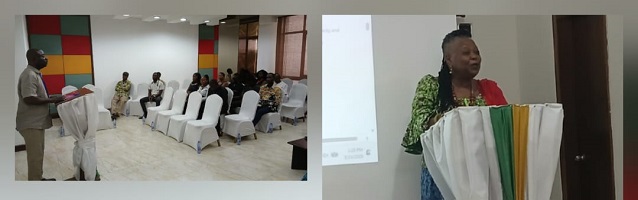
This was revealed by the Ag Director of National Theatre, Henry Herbert Malm at a Stakeholder Engagement held at National Theatre on Tuesday, March 24.
Tuesday’s stakeholder engagement brought together key stakeholders from across the creative industry, to outline the Theatre’s vision for growth, sustainability and renewed relevance within Ghana’s evolving cultural landscape.
At the heart of the announcement are strong assurances from the Theatre’s leadership, particularly the Executive Director and the Board chair, Madam Amarteorkor Amarteifio, both of whom say the new strategic direction is the product of extensive consultations and a clear-eyed assessment of the institution’s current realities.
The Executive Director noted that the strategic plan is designed to move the National Theatre beyond its long-standing perception as merely an event venue, towards a more impactful role in nurturing talent, supporting productions and driving the creative economy.
According to the Director, the document provides a structured roadmap that prioritises artistic excellence, institutional sustainability and deeper engagement with stakeholders.
“We recognise that for some time, the Theatre has largely been seen as a space for hiring and events. This strategic plan is about redefining that narrative and restoring the National Theatre to its core mandate as a centre for creative development and cultural expression,” the Director said.
He explained that the plan places significant emphasis on strengthening the Theatre’s resident companies, expanding programming and creating more opportunities for practitioners across theatre, dance and music.
Additionally, the Director highlighted a renewed focus on audience development through digital innovation, improved ticketing systems and targeted outreach initiatives aimed at attracting younger audiences.
“We are looking at how to build a loyal audience base while also leveraging digital platforms to extend our reach beyond the physical space. The future of the arts is not just on stage; it is also online and across multiple platforms,” he added.
On education and capacity building, the Executive Director revealed that the Theatre intends to establish structured training programmes, including a National Theatre Academy, youth camps and talent showcases to help groom the next generation of creatives.
For her part, the Board Chairperson, Madam Amarteorkor Amarteifio, underscored the importance of the strategic plan as a tool for accountability and long-term growth, noting that the Board is fully committed to ensuring its successful implementation.
“This is not just a document that will sit on a shelf. It is a working framework that will guide our decisions, inform our investments and shape the future of the National Theatre over the next five years,” he said.
The Chairman also emphasised the role of collaboration in achieving the plan’s objectives, calling on stakeholders—including government, private sector players and industry practitioners—to support the Theatre’s renewed vision.
“We cannot do this alone. The success of this strategic plan will depend on partnerships and a shared commitment to developing the creative arts sector. The Theatre belongs to all of us, and we must all play a role in its growth,” he stated.
She further noted that the Board had taken into account concerns raised by stakeholders during recent engagements, assuring that their input had been instrumental in shaping the final document.
The upcoming launch follows a series of consultations and stakeholder engagements including Tuesday’s aimed at gathering insights from practitioners and industry leaders.
The discussions highlighted key challenges facing the Theatre, including funding constraints, limited production support and the need for clearer programming direction.
Both the Executive Director and the Board Chairman acknowledged these challenges but expressed confidence that the strategic plan provides practical solutions to address them.
They reiterated that the ultimate goal is to position the National Theatre as a vibrant, inclusive and forward-looking institution that reflects Ghana’s cultural identity.
