
A pregnant woman walks into an antenatal clinic feeling perfectly well.
No burning when she urinates.
No fever. No abdominal pain.
She smiles, completes her routine checks and prepares to go home.
But what if something is wrong—and she simply cannot feel it?
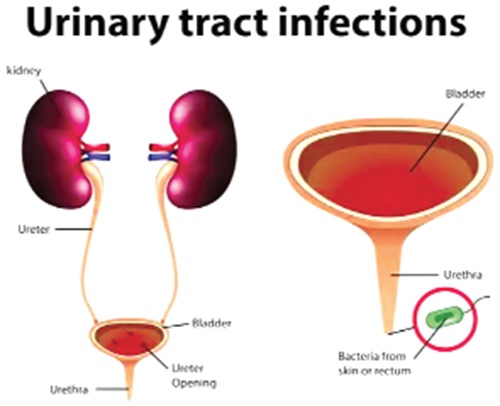
This is one of the concerns surrounding Urinary Tract Infections (UTIs) during pregnancy.
Some women can have significant bacteria in their urine without experiencing the usual symptoms of an infection.
This is known as asymptomatic bacteriuria.
Pregnancy brings many changes to a woman’s body, including changes to the urinary system.
These changes can affect the normal flow of urine and create conditions that allow bacteria to remain and multiply.
The worrying part is that a woman may feel completely healthy, while bacteria are present in her urine.
Research in Ghana has documented asymptomatic bacteriuria among pregnant women.
Studies at the Komfo Anokye Teaching Hospital and the Korle-Bu Teaching Hospital reported prevalence rates of 7.3 per cent and 5.5 per cent, respectively.
Although the figures vary between studies and locations, they highlight an important message: the absence of symptoms does not always mean the absence of a urinary problem.
For many women, providing a urine sample during antenatal care may seem like just another routine procedure.
It can, however, provide important information.
Urine examination can identify abnormalities that raise suspicion of a urinary infection.
But an abnormal urine examination does not automatically confirm a bacterial UTI.
Where available and clinically indicated, urine culture can provide more definitive evidence of significant bacterial growth and identify the organism responsible.
Pregnant women should, therefore, take urine tests requested during antenatal visits seriously and follow the instructions provided by healthcare workers.
Know warning signs
Although some urinary infections cause no symptoms, pregnant women should seek medical attention if they experience:
• Burning or pain when urinating
• Unusual frequency or urgency of urination
• Lower abdominal discomfort
• Blood in the urine
• Fever or chills
• Pain in the back or side
• Nausea or vomiting together with urinary symptoms
These symptoms can have other causes, so women should not attempt to diagnose themselves.
Don’t reach for antibiotics on your own
When painful urination occurs, it may be tempting to use leftover antibiotics or take medicine recommended by a friend or relative.
That is not a safe approach.
Different bacteria respond differently to antibiotics, and resistance can make infections harder to treat.
During pregnancy, medicines should also be selected with consideration for the mother and developing baby.
The safer choice is to seek professional medical advice and take medicines only as directed.
Protection starts with awareness
Pregnant women can take simple steps to protect their urinary health.
Attend antenatal care regularly.
Report unusual urinary symptoms early.
Follow instructions when providing urine samples. Most importantly, avoid taking antibiotics without professional advice.
Pregnancy is a time when even a problem that seems small deserves attention.
A woman may feel perfectly fine and still have a urinary problem that needs investigation.
So, the next time you are handed a small container for a urine sample at antenatal care, do not dismiss it as just another routine procedure.
Sometimes, that little sample can tell a story your body has not yet learned how to tell.
The writer is a Biochemistry and Molecular Biology student,
University of Health and Allied Sciences (UHAS), Ho.
