
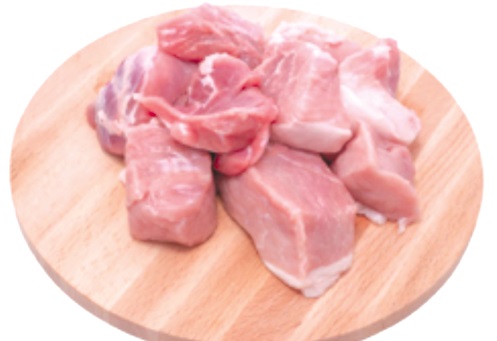
Are you tired of fad diets and exhausting workout routines that promise much but deliver little?
Have you been told pork is off-limits due to high-fat content or religious misconceptions?
Perhaps pork is seen as a dietary villain due to health concerns.
But what if the truth about pork is more nuanced? Imagine transforming your body and health with a single, delicious and nutritious food choice.
Picture yourself shedding pounds, boosting energy and sculpting lean muscle while enjoying a versatile protein source.
This isn't fantasy; it's the reality of lean pork, backed by science and expertise.
Many struggle to achieve these goals through diet alone.
Lean pork—a nutrient-dense food—offers a potential solution. With its high-quality protein, low fat and essential nutrients, lean pork may offer numerous health benefits.
Nutritional profile
Lean pork is a nutrient-rich food that provides essential nutrients.
A 100-gram serving contains approximately 29.03g of protein, 9.58g of fat and 0g of carbohydrates (USDA, 2020), supporting muscle growth and repair.
It is rich in micronutrients like vitamins B1 (Thiamin) and B2 (Riboflavin), contributing 85 per cent and 68 per cent of the daily intake per 113g serving, respectively (National Institutes of Health, 2020). Lean pork also provides zinc (18 per cent of the daily value per 113g serving) and phosphorus for immune function, wound healing and bone health.
Other key nutrients include potassium (372mg per 100g serving) for blood pressure regulation and iron (1.09mg per 100g serving) for healthy red blood cells. While the nutritional profile varies by cut and cooking method, lean pork is generally nutrient-dense and low in fat and calories.
A 2023 National Library of Medicine study found that regular lean pork consumption may improve body composition without negatively impacting diabetes and cardiovascular disease risk factors.
Lean pork, weight reduction
Lean pork can be a valuable addition to a weight loss diet due to its high protein content, which promotes satiety and reduces overeating.
Research supports the benefits of high-protein diets for weight loss and improved body composition. Incorporating it into a weight loss diet can lead to significant reductions in weight, BMI and body fat, as demonstrated in a six-month trial involving overweight adults who consumed up to 1kg of lean pork weekly (Smith et al., 2020).
To maximise the benefits, select lean cuts such as tenderloin and loin chops and practice portion control, thereby supporting significant weight loss and improved physical function (Heshka et al., 2003; Murphy et al., 2014).
Lean pork, cholesterol control
Dietary factors significantly impact cholesterol levels and lean pork can be a valuable addition to a heart-healthy diet due to its low fat content.
Research indicates that lean pork consumption positively affects Low-Density Lipoprotein LDL (bad cholesterol) and High-Density Lipoprotein HDL (good cholesterol) levels.
Studies show participants consuming lean pork in a heart-healthy diet experience significant LDL reductions and HDL improvements (Murphy et al., 2014; Journal of Nutrition).
Systematic reviews and clinical trials further support lean pork's role in reducing cardiovascular disease risk by improving lipid profiles (Cheng et al., 2020; Li et al., 2019).
Lean pork, muscle-building
Protein is crucial for muscle growth and repair.
Lean pork is a valuable addition to an athlete's diet due to its high-quality protein and essential amino acids.
Research supports the benefits of lean pork consumption for athletes and individuals engaging in resistance training, particularly in enhancing muscle protein synthesis and function (Witard et al., Phillips et al.).
Moreover, post-exercise consumption of lean pork can promote muscle protein synthesis and aid in recovery (Tipton et al.).
Conclusion
Ultimately, lean pork is a nutritious food choice that offers numerous health benefits, including weight reduction, cholesterol control and enhanced muscle building.
Its high-quality protein, low-fat content and essential nutrients make it an excellent addition to a balanced diet.
By incorporating lean pork into a meal plan, individuals can potentially achieve their fitness goals, improve cardiovascular health and support overall well-being.
Doctor of Naturopathic Medicine (N.D. Candidate),
Medical Journalist, & Medical Laboratory Technologist,
E-mail:
