
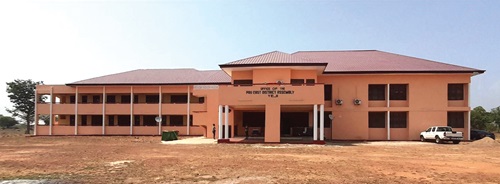
The Pru East District, located in the Bono East Region of Ghana, is home to a population of 101,545 people, according to the 2021 Population and Housing Census (PHC).
Blessed with vast agricultural land, fishing opportunities along the Volta Lake, and a vibrant cultural heritage, the district has enormous potential for growth and prosperity.
However, like many developing areas, it faces significant challenges that threaten the health, safety and livelihoods of its residents.
Unless these pressing issues are addressed, the district risks lagging behind in national development.
Sanitation challenges
One of the most pressing problems confronting Pru East is poor sanitation. The district lacks adequate waste management systems, leading to indiscriminate dumping of refuse in gutters, open spaces and along roadsides.
The inadequate provision of toilet facilities also compels many residents to practice open defecation, which further contaminates the environment.
With an average household size of 5.6 individuals according to the 2021 PHC, the 22,579 households in the district generate a considerable amount of waste daily.
Unfortunately, the absence of a well-structured waste collection and disposal system has made environmental pollution almost inevitable.
The consequences of poor sanitation are dire. Diseases such as cholera, malaria, guinea worm and typhoid fever thrive in such conditions.
The Pru East District, like many other districts in Ghana, has not been spared. Malaria continues to be one of the leading causes of outpatient attendance in health facilities across the district, and stagnant water in poorly managed communities provides fertile breeding grounds for mosquitoes.
Sadly, children and the aged are specifically vulnerable to sanitation-related illnesses, and frequent outbreaks strain the already limited health infrastructure in the district.
If left unchecked, these issues will reduce productivity, increase healthcare costs, and deepen poverty among residents.
To address this, the district is urged to prioritise modern waste management strategies, provide public toilets and intensify community education on proper hygiene practices.
Equally important is the enforcement of sanitation by-laws to deter indiscriminate waste disposal.
Security
Another issue of concern is the rise in armed robbery cases in the district. Pru East, with its major transport routes, such as the Atebubu–Yeji highway, has increasingly become a hotspot for highway robberies.
These criminal activities disrupt economic activities and undermine the sense of safety in the district.
Fishermen, traders and farmers who transport their goods to markets often become victims of armed gangs, losing not only their property but also their confidence in travelling freely.
The situation has also discouraged investment and tourism in the district, as insecurity deters visitors and entrepreneurs who might otherwise contribute to economic development.
The government’s acknowledgement of the growing insecurity in the Pru districts and subsequent deployment of additional security personnel to identified hotspots are commendable.
However, sustaining these interventions requires adequate logistics, proper intelligence gathering, and strong collaboration between community members and security agencies.
Town roads
The condition of roads in the district, particularly in the district capital Yeji, is another barrier to development. The poor state of town roads makes it difficult for residents to move around freely.
During the rainy season, many roads become muddy and nearly impassable, while in the dry season, dust clouds make transportation hazardous.
These challenges hinder economic activity, as farmers struggle to transport their produce to markets, and traders face increased costs of doing business.
Again, bad roads also discourage private investors who may otherwise establish businesses in the district. Improving road infrastructure should therefore be a top priority.
Well-paved town roads and feeder roads can boost economic activity, improve access to social services, and reduce accidents.
Roads serve as the arteries of development; without them, even the most resource-rich districts cannot flourish.
Town development
Another critical challenge facing the Pru East District is poor urban planning. In many communities, houses, shops and other structures are built haphazardly without adherence to zoning regulations.
This has resulted in overcrowding, poor ventilation, limited access to emergency services, and increased risk of fire outbreaks and accidents.
Enforcing strict building codes and zoning regulations is essential to ensure orderly development.
The district assembly must work closely with town planners, engineers and community leaders to create sustainable urban layouts. Proper planning will not only make the towns more livable but also attract investors and tourists.
A well-structured district is a foundation for long-term development.
Way forward
Addressing these challenges requires joint action from government, local leaders, and citizens.
Investments in sanitation, security, roads, and planning must go hand in hand.
With proper coordination, Pru East can transform into a district where residents live in safety, enjoy better health, and benefit from improved economic opportunities.
The time to act is now.
By working together, we can build a cleaner, safer, and more prosperous future for the Pru East District.
Concerned citizen, Yeji
