

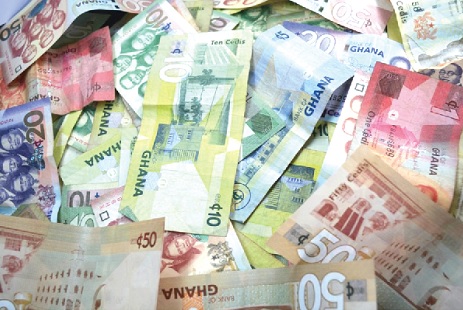
On Tuesday, October 28, 2025, the Bank of Ghana launched the Cedi@60 commemoration event.
As a national event, it brought together both foreigners and nationals to the Accra International Conference Centre for a colourful celebration. It was, indeed, a day of national pride.
The story of the cedi is well documented. In July 1965, Ghana took a bold step toward asserting its economic sovereignty, introducing the cedi as its national currency. This move symbolised not only monetary autonomy, but also national identity and pride.
Today, the cedi remains a powerful emblem of Ghana’s resilience, progress and aspiration for sustainable growth. In fact, that was the cedi story of my youth and that is the cedi story today!
I was particularly excited about the celebrations on October 28, not because I was connected to the event somehow, but because the proud people of a nation must celebrate their currency. A local currency is always the pride of the nation.
So, the commitment to celebrate the cedi as the only legal tender in Ghana, as a people of Ghana, was a proud moment for me.
The cedi symbolises the country’s sovereignty and economic resilience, and the celebration re-emphasised my heartfelt desire to see Ghanaians use the cedi for all transactions and be proud of it.
Ever since I started writing on finance and economic issues, which is more than three decades ago, I have written extensively about why Ghanaians should be proud of the local currency and use it well.
For example, 11 years ago, specifically the February 14, 2014 edition of this column, under the headline “The cedi debate: Where do you stand? Part 1”, I explained why Ghanaians must have confidence in the national currency.
This was after the Bank of Ghana had issued a Notice to the General Public, admonishing them to desist from pricing in foreign currency, and reminding them that the cedi was the only legal tender in Ghana.
Below is an excerpt of that edition: “It’s official that the national currency of Ghana is the cedi! Wow…did we have any other ideas about that?”
Well, probably not, but the way we have conducted ourselves about the pricing of goods and services may have made it all look and appear that the cedi was all but a ‘secondary’ currency in the country.
“So, l would say that it took us so long to realise this because Ghanaians generally love to count their wealth in dollars rather than in Cedis.
Then again, why not? After all, not long ago, every Ghanaian could be described as a ‘millionaire’ because you needed millions of the local currency to pay fees, buy an air ticket or carry out basic household shopping, so you would probably love to have a currency in which terms a proper millionaire could be found.”
So, after the redenomination of the cedi in 2007, which gave the country’s currency a decent outlook, people’s confidence in it strengthened....
“The cedi ranked at par to the dollar at some point after the redenomination, but has gone off a bit, presenting significant worries to everyone in Ghana or associated in any way with the country.”
Indeed, “as a result of this development, column inches of newspapers and airwaves are filled with stories about the ‘unstable’ cedi.”
Eleven years ago, just as it is today, there was always the press of the panic button whenever the Cedi lost ground against some foreign currencies, especially the dollar. But a currency, within a managed floating exchange-rate regime, must move!
Because the dollar is a dominant currency in global trade, its strength or weakness impacts many countries.
Agreed. But that does not mean that the local currency should lose its appeal to nationals. Ignoring the local currency and pricing in foreign currency has profound effects on the economic fortunes of a country.
In fact, this is what I wrote in the February 14, 2024 edition about the impact of the cedi when it depreciates against the dollar. “So, what is the impact of the falling cedi on your finances? The impact is huge and one that should not be taken lightly.”
Take the case of someone who is paying school fees that are linked to the exchange rate market as an example. It is not a secret that some of the schools in the country are charging fees denominated in foreign currency.
This means that whenever the exchange rate changes in an unfavourable way, you will need more cedis to pay for the same amount in the other currency.
“The Bank of Ghana’s resolve in the past week to assert the cedi as the only ‘legal tender’ in the country should help straighten your pocket a bit.”
Our taste for everything foreign must stop. Some people prefer to purchase goods or services from abroad, even when locally available options are superior.
In other words, there is this belief that even a third-grade product abroad is better than a first-grade product made locally.
Paying fees pegged to the US dollar is a bad idea. Pricing “non-essential” goods and services in a currency other than the local currency poses a big risk to national currency stabilisation efforts.
Those paying fees in dollars should pay the cedi equivalent to help preserve the country’s economic gains. In basic economics terms, once you have more money chasing fewer goods (in this case, more cedis chasing the few dollars in circulation), then the price (exchange rate) will have to rise to support the demand.
So, what is your preference here: would you want to pay in cedis to strengthen the economy further or in a foreign currency to put pressure on the exchange rate?
