

Just what on earth is dress code?
Corporate institutions have regulated the type of clothing their staff should wear through the introduction of dress codes. In the corporate environment, the instituting of dress codes has become necessary as a way of streamlining what staff should wear and at ensuring uniformity.
Furthermore, it also ensures that decency is maintained in the staffs’ choice of clothing, to avoid sending out the wrong non-verbal message due to poor grooming.
Our socio-cultural setting exerts a strong influence in the implementation of these codes, as careful attention is assigned to identifying what type of clothing is deemed acceptable within our setting.
Therefore, we note that while the CEO of a company in one country can attend a board meeting in a pair of jeans and canvas shoes, that daring act performed here, can cost you your job! Especially if you do not own the business in question.
Although some dress codes are typically enforced, others are quite flexible and leave room for flexibility and maneuvering. Don’t we all love this?
That said, however, the underlining factor to achieving grooming success through our choice of clothing begins with understanding what these dress codes are and how we can use them to ensure standardization of style and grooming.
One fundamental fact always to remember is that your attire speaks volume about you. That is why I often refer to the art of grooming as a silent communicator of our fashion tastes, values and morals.
Business formal dress code
This code is centered on creating a professional look in relation to the grooming of the staff within a particular organization. This dress code lends credibility to the operations of a company within its business environment.
This dress code is often put in place by companies in the business and service industry.
Men
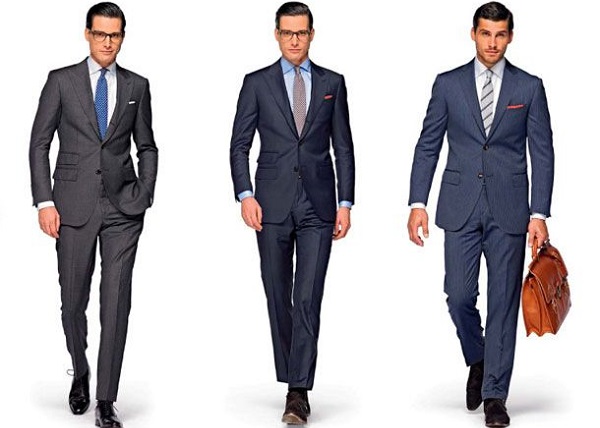
For men this would include a formal business suit, in a solid conservative colour such as black, blue black or charcoal gray. Pin striped suits are optional and the smaller pin stripes look much better on business suits.
Most companies would insist on white or blue cotton shirts while others relax their restrictions and make room for light coloured shirts. However, all shirts must be long sleeved.
Silk ties are preferable where possible, as long as the colour worn is not outlandish.
Shoes must be black or brown and should match your belt. Shoes should also be well polished and look very neat.
