
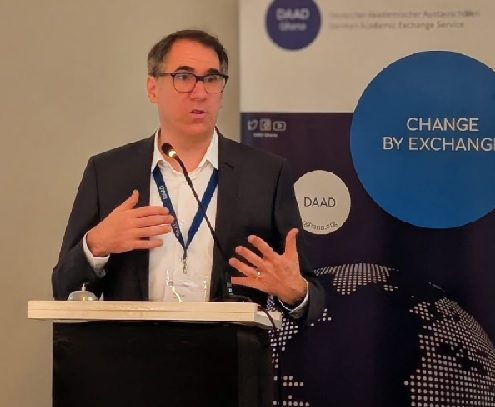
DAAD hosts matchmaking event for German and Ghanaian University leaders in Accra
The German Academic Exchange Service (DAAD) Regional Office in Accra has organised a matchmaking event, bringing together a delegation of 21 senior leaders from German universities and representatives from a diverse range of Ghanaian higher education institutions.
The matchmaking event, held last Friday formed part a week-long delegation visit aimed at strengthening academic cooperation between Germany and Ghana.
The German delegation, composed of university presidents, vice presidents and chancellors, spent the past days visiting select universities, research centres and innovation hubs in Accra and Kumasi.
Overall, the visit underscored a mutual commitment to deepening academic cooperation, enhancing research collaboration, and building long-term partnerships that benefit both countries.
On the other hand, the matchmaking event was intended to open the dialogue to even more Ghanaian universities, creating new opportunities for collaboration across the country.
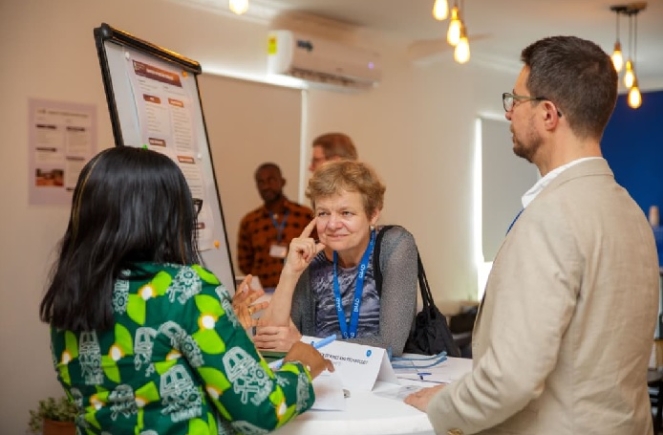
Notable among the attendees were Vice Chancellor of the University of Ghana, Prof. Nana Aba Appiah Amfo, Vice-Chancellor of the University of Health and Allied Sciences, Prof. Lydia Aziato and Prof. Samuel Bert Boadi Kusi, a representative from the University of Cape Coast.
Stronger partnerships
Speaking at the event, Secretary General of DAAD, Dr. Kai Sicks highlighted a growing momentum in academic collaboration between Germany and Ghana.
He said the matchmaking event was organized to broaden engagement beyond the initial four universities visited, allowing German representatives—mainly university presidents, vice presidents, and senior administrators—to interact with a wider range of Ghanaian institutions across the country.
He mentioned that in total, the delegation engaged with about 15 universities and around 10 research institutions and innovation hubs.
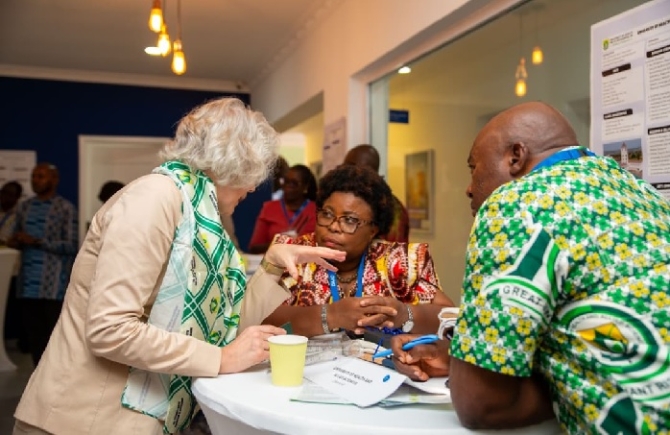
A key message from Dr. Sicks was the strong interest of German universities in expanding cooperation with Ghana.
He acknowledged increasing funding constraints in both countries, emphasizing the need for joint, high-quality research projects that can attract external funding.
He also stressed the importance of building personal connections between institutions to support sustainable collaboration.
"It's very important for us that people also go back, also stay friends with Germany here, kind of contribute to partnerships beyond academia, later also in the economy and so on and so I think this is also one purpose where we could extend in the future," he said.
Dr. Sicks mentioned that a significant rise in the number of Ghanaian students studying in Germany, now estimated at around 3,000.
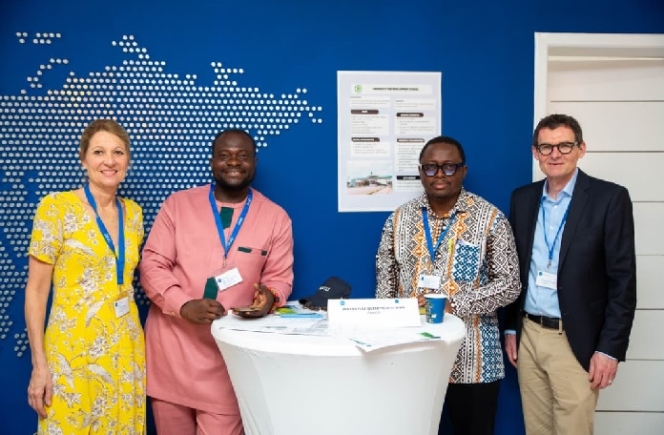
Importantly, more than half of these students return to Ghana after completing their studies—a trend he described as unique and positive, as it helps avoid brain drain while fostering long-term academic, economic, and professional ties between the two countries.
Additionally, he highlighted Germany’s interest in Ghana’s growing entrepreneurship and innovation ecosystem.
Broadened engagement
Director of the DAAD Regional Office in Accra, Lena Leumer emphasized the importance of building strong partnerships between Ghanaian and German universities as a key pathway to accessing research funding and expanding academic collaboration.
She noted that the matchmaking event successfully broadened engagement by introducing participants to a more diverse range of institutions, helping attendees better understand Ghana’s rich and varied academic landscape.
According to her, this exposure marked an important step toward fostering meaningful collaboration.
She explained that while DAAD is widely known for offering individual scholarships, project-based funding typically requires Ghanaian institutions to first establish partnerships with German universities, which usually lead funding applications.
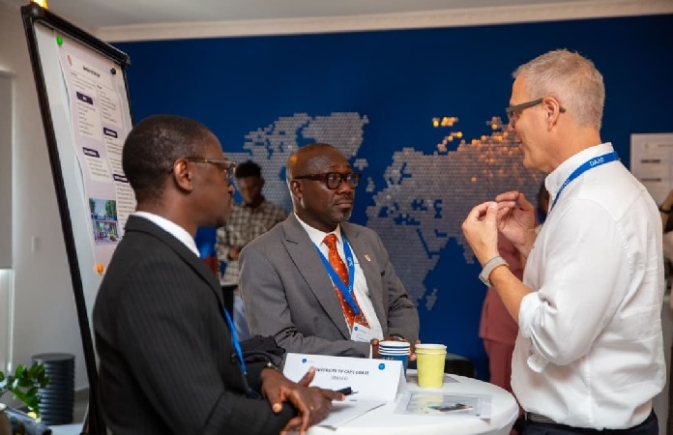
"We know that funding situation all over the world is changing. It's not always easy. They're not throwing money at you. But if you have an excellent project and you have good partners, the funding will come," she stated.
As a practical next step, Leumer encouraged Ghanaian institutions to connect their departments with German counterparts and apply for DAAD-supported fact-finding missions, which allow partners to better understand local contexts and strengthen collaboration on the ground.
She concluded by expressing appreciation to the German delegation, Ghanaian universities, event organizers, and her team for their contributions, noting that the strong participation and leadership presence reaffirm DAAD’s commitment to deepening academic cooperation in Ghana.
Experience
Sharing his experience, Rector of the University of Ulm, Michael Weber described his visit to Ghana as a valuable and eye-opener, highlighting the importance of the matchmaking platform in bringing together multiple universities for meaningful engagement.
He stated that the opportunity to meet a wide range of Ghanaian institutions in one setting allowed German representatives to gain deeper insights into Ghana’s academic systems, research interests, and potential areas for collaboration.
These interactions, he said, would inform future partnerships and joint initiatives upon their return to Germany.
Prof. Weber praised Ghana’s higher education system as open, dynamic, and operating at a high standard comparable to institutions in Germany and across Europe.
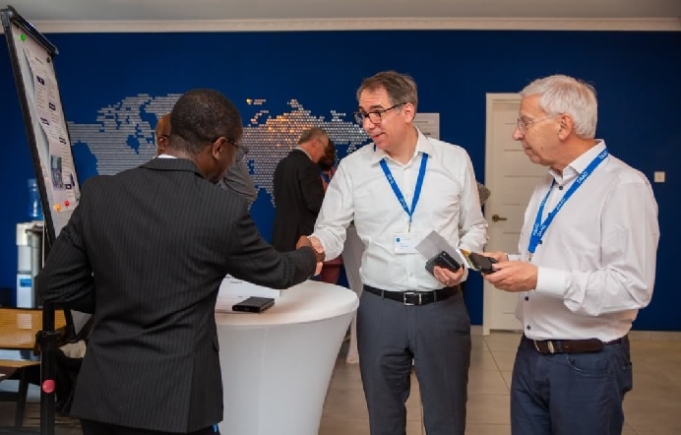
"Ghana is a very open country that you have a really excellent higher education system on a high level, which is absolutely on the same plane level field as we are doing in Germany or also in Europe. And that there has to be even more cooperation than have been in the past times," he said.
He emphasized that this strong foundation makes Ghana an ideal partner for expanded academic cooperation.
He further stressed the need for increased collaboration to address global challenges such as climate change and food security.
According to him, both Ghana and Germany bring unique perspectives and data shaped by their different environments, and combining these strengths would lead to more effective and innovative solutions.
Overall, he underscored that mutual learning and joint problem-solving are key drivers behind the push for stronger academic and research partnerships between the two countries.
Appreciation
Registrar of the University of Duisburg-Essen, Prof. Ulf Richter expressed strong interest in deepening collaboration with Ghanaian universities during his first visit to Ghana.
He revealed that his institution has identified Ghanaian universities as strategic partners and is particularly keen on strengthening ties with the University of Ghana and the University of Health and Allied Sciences.
Prof. Richter highlighted the mutual benefits of such partnerships, noting that German universities are eager to expand international cooperation and create more opportunities for German students to study abroad. He added that several Ghanaian universities offer attractive programs that could support this goal.
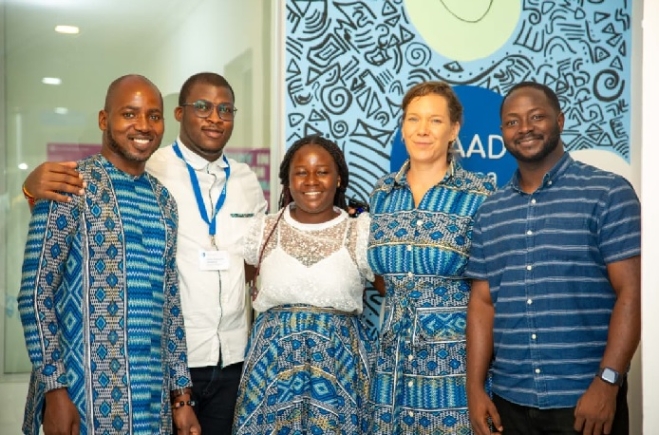
"We are interested in the programs that they offer us. For us in Germany, it's also important that German students go abroad and I think some of the, not all, but some of the universities in Ghana offer very good opportunities for them, so I'm very happy to be here," he said.
For his part, Dean of International Programmes at the University of Health and Allied Sciences, Professor Elvis E. Tarkang welcomed the initiative, emphasizing that such collaborations are vital for enhancing institutional visibility, global rankings, and academic development.
He added that partnerships with German institutions would support student and staff mobility, strengthen research capacity, and promote joint research projects.
