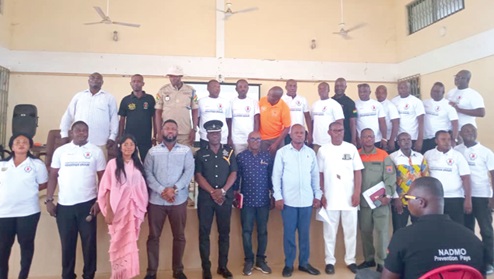
100 NADMO officials train to reactivate dormant disaster volunteer groups
A one-day training workshop was held at Assin Foso to reactivate Disaster Volunteer Groups (DVGs) across the Central Region, marking a major step toward strengthening community-level disaster response.
The training brought together 100 National Disaster Management Organisation (NADMO) officials, including metropolitan, municipal, and district directors and their deputies, who would, in turn, train volunteers within their respective assemblies.
The initiative formed part of a national effort to revive DVGs, which have been inactive for nearly eight years.
Rescue
Disaster Volunteer Groups were community-based teams trained to offer immediate, first-hand rescue support during emergencies, especially in the crucial minutes before NADMO officers arrive on the scene.
The groups served as the backbone of local-level response during fires, building collapses, drownings, road accidents and other emergencies.
Speaking at the workshop, the Central Regional Director of NADMO, Emmanuel Kwesi Dawood Mensah, underscored the need to revitalise DVGs, stressing that natives were often the first responders whenever disasters occurred.
According to him, reactivating the groups would not only enhance community readiness but also make sure they protect volunteers who risk their lives to save others.
Significance
He further highlighted the significance of public engagement and registration of volunteers, especially as the country enters the dry season, a period often associated with increased cases of domestic and commercial fires.
He called on the Regional Police Command and the Ghana Private Road Transport Union (GPRTU) to intensify driver education, particularly during the festive season.
The Central Regional Minister, Ekow Panyin Okyere Eduamoah, commended NADMO for its critical role in national development, describing the organisation’s work as comparable in importance to that of the Ghana National Fire Service.
He said the time had come for NADMO to be provided with the necessary tools to enhance their operations at both the regional and district levels.
The minister added that it was important for NADMO to be involved in major activities taking place across the country.
He said that whether it was construction, excavation, public events or large community projects, NADMO should be present to advise on safety and ensure that potential risks were identified and addressed early.