

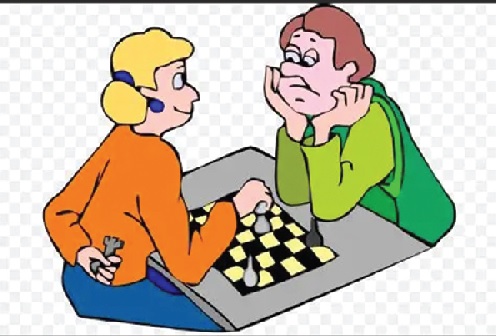
Cheating often feels exciting. Taking shortcuts seems sweet and stress-free. Bread eaten in secret can be tempting, especially when it’s stolen.
There is a certain relief in receiving on a silver platter what others struggle to carve out of a stone.
Back in high school, while many burned the midnight oil, some chased leaked examination papers instead.
Studying seemed burdensome for them. Why thread the eye of a needle when there was a wider backdoor? What mattered most was reaching the destination, no matter the route.
Those who cheated passed their exams just the same. They advanced their education alongside everyone else.
Cheating often has no immediate consequences—unless caught. Stolen waters are sweet because, for a moment, the thief believes they have outwitted all.
But as these individuals progress, few consider the long-term effects. Though they excelled on paper, they had built weak foundations.
Cheating may create the illusion of excellence, but it cannot erase ignorance. Stolen waters may briefly quench thirst, but they force one to keep stealing to stay satisfied.
Today, this cheating culture manifests in society—professionals making grave mistakes. Doctors and nurses may unknowingly harm patients due to negligence. Buildings collapse because constructors lack real knowledge.
Cheating is cheap, but its consequences are costly. Stolen waters seem sweet only when we ignore the big picture. When success is built on cheating, foundations remain fragile, hanging by a thread.
Bread eaten in secret is pleasant only if we refuse to consider the unavoidable ripples ahead.
Sadly, cheating thrives in many areas, especially in marriage. With countless excuses, some justify breaking vows sworn on the altar. Ironically, extravagant weddings contrast sharply with the cheapness of marital fidelity.
Cheating is never justifiable. The grass is green only where it’s watered. Whatever qualities attract you elsewhere, you can nurture in your spouse. We seek greener pastures outside when our own gardens wilt from neglect.
When the grass looks lush, someone has watered it carefully. Marriage should run on the golden rule: do unto others as you would have them do unto you.
If the thought of your spouse cheating hurts you, then don’t betray their trust.
Your spouse is part of your own body. Just as no one intentionally harms their body, no one should harm their marriage.
Many marriages wobble today due to repeated cheating.
Cheating on your partner is building a mansion only to tear it down yourself. With each betrayal, trust fractures, and once lost, a relationship’s future is bleak.
Trust is a mine—guard it fiercely. Without it, marriage collapses. When trust breaks, suspicion follows swiftly.
Hearts become restless; resources may be wasted in spying. Couples may nurse thoughts of revenge.
But remember, marriage is meant to be a beautiful romance, not a saga of vengeance.
Cheating may seem fun, but it causes deep harm. Ironically, it is often the cheat who is cheated in the end. Stolen waters might taste sweet, but eventually, they choke. Scandals ensue, sometimes plunging families into hardship and poverty.
Moral standards are crumbling rapidly, and it starts at home. Parents who cheat leave no lasting positive example for their children.
Our children become reflections of our actions. The fight against corruption must begin within our households.
The values we uphold at home serve as the strongest anti-corruption campaign for the next generation. Our stolen waters may be sweet to us, but bitter for our children.
While you may revel in the short-term thrill of cheating, pause and consider the bigger picture.
Reflect on the consequences for your family and how moral decay weakens society. Stolen waters are sweet—but the seeds sown in darkness will ripen in daylight.
Though hidden at first, the harvest will be visible for all to see. Chew on that.
Kobina Ansah is the Chief Scribe of Scribe Productions (www.scribeproductions.com) and Scribe Communications (www.scribecommltd.com).
