
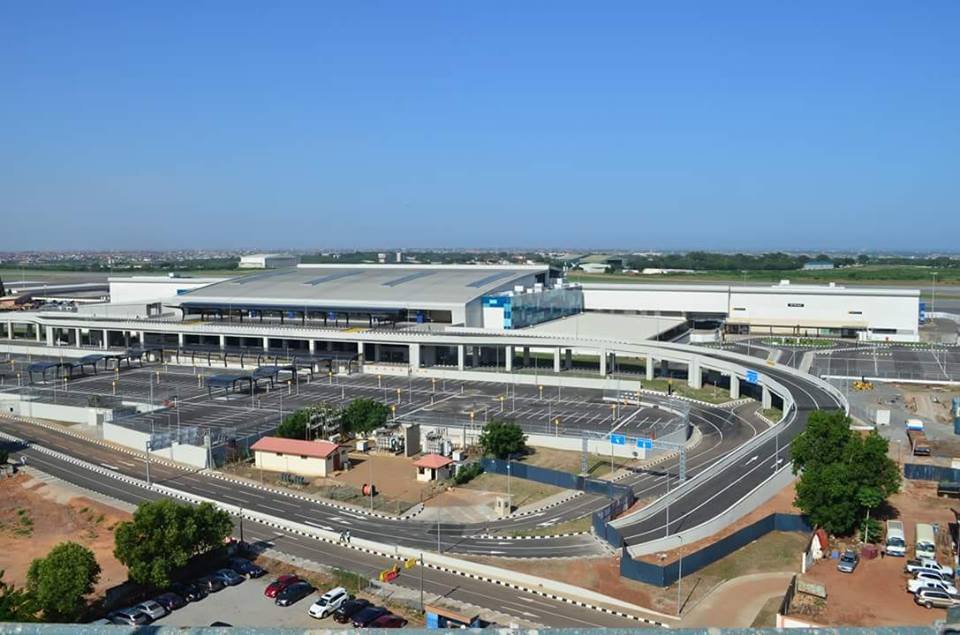
The debate over the proposed renaming of Kotoka International Airport has sparked a strong national conversation about Ghana’s history, identity, and the meaning of public symbols. The plan to change the airport’s name back to Accra International Airport has divided opinion among politicians, academics, civil society groups, and ordinary citizens. What appears to be a simple administrative decision has instead reopened deeper questions about how Ghana remembers its past and defines itself today.
Kotoka International Airport was originally known as Accra International Airport when it was built in 1958 under Ghana’s first President, Dr Kwame Nkrumah. The airport was renamed in 1969 after Lieutenant-General Emmanuel Kwasi Kotoka, one of the military officers involved in the 1966 coup that overthrew Nkrumah’s government. For many Ghanaians, this background makes the current name controversial because it honours a figure associated with the removal of a democratically elected leader.
The government has defended the proposed change as a way of restoring national identity rather than rewriting history. Speaking at a press briefing in Accra in February 2026, the Minister for Transport, Joseph Bukari Nikpe, explained that returning the airport to its original name was meant to reflect Ghana’s capital city and project a neutral national image. He said the move was not politically motivated but intended to ensure that a major national symbol represents all Ghanaians. Supporters of the proposal argue that such an important international gateway should reflect shared national values rather than an individual whose legacy remains disputed.
Some commentators have described the proposal as an act of historical reflection. Writing in Modern Ghana in January 2026, social commentator Kofi Agyeman argued that the move reflects the African idea of learning from the past to build a better future. According to this view, changing the name does not erase history but places it in context, allowing the nation to decide carefully which figures it chooses to honour in public spaces that represent Ghana to the world.
However, critics of the proposal have raised strong concerns. Speaking in Parliament during a debate in February 2026, Minority Leader Alexander Afenyo-Markin warned that the move ignores the emotional and historical significance the name Kotoka holds for some communities, particularly in the Volta Region. He argued that removing the name could be seen as taking away one of the few national recognitions associated with the region and cautioned against actions that might deepen divisions.
Others believe the debate itself is unnecessary at a time when Ghana faces pressing economic and social challenges. Franklin Cudjoe, President of the policy think tank IMANI Africa, questioned the relevance of the renaming exercise during a radio interview in Accra in February 2026. He argued that changing the airport’s name would not address unemployment, rising living costs, or weaknesses in public services, and warned against focusing on symbolic decisions that offer little practical benefit to citizens.
Civil society organisations have also raised concerns about cost and priorities. In a public statement issued in Accra in January 2026, members of Eagle Eye International described the proposal as potentially wasteful. They noted that renaming a major international airport could involve changes to signage, branding, and official documentation, and questioned whether public funds would not be better used to improve infrastructure and essential social services.
The debate has extended beyond politics into cultural spaces. Popular musician Stonebwoy joined the conversation during a media interaction in Accra in February 2026, urging leaders to ensure that decisions about national symbols are guided by broad national consensus. He noted that while history must be respected, national symbols should unite citizens rather than deepen disagreement.
Beyond the airport itself, the controversy raises wider questions about how countries deal with difficult histories. Across the world, nations are reconsidering monuments and institutions named after controversial figures. These debates are often emotional because history is complex, and individuals may be viewed as heroes by some and symbols of pain by others.
For Ghana, the discussion touches on deeper issues of nation building. Public names shape collective memory and influence how future generations understand their country. The airport is often the first place visitors see when they arrive and the last place they see when they leave. Its name therefore sends a message about what Ghana values and how it presents itself internationally.
Whether the airport keeps its current name or returns to Accra International Airport, the debate has already achieved something important. It has encouraged open discussion about history, democracy, and national identity. In the end, the decision will reflect how Ghana chooses to tell its story. National symbols matter not only because of where they come from, but because of the values they project to citizens and to the world.
