
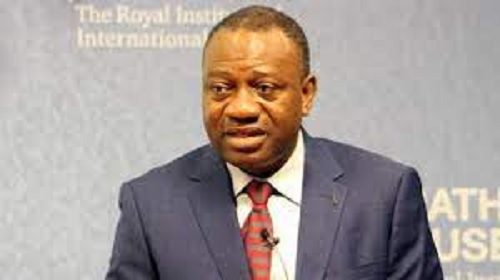
Panellists advocate enhanced pension system for health workers
Stakeholders at the third Annual General Meeting (AGM) of the Health Sector Occupational Pension Scheme (HSOPS) have called for the strengthening of Ghana’s pension system to ensure that health workers retire in dignity and financial security.
They stated that, given the crucial role health professionals play in national development, it was essential to safeguard their welfare—particularly after years of service—through a robust and transparent pension system.
The speakers — the Minister for Labour, Employment and Jobs, Dr Rashid Pelpuo; the Chief Director of the Ministry of Health, Desmond Boateng, and the Chief Executive Officer (CEO) of Dalex Finance, Joe Jackson — described the health sector pension scheme as one of the strongest in the country and a model for other occupational systems.
This year’s AGM, which was on the theme: “Strengthening Governance and Enhancing the Pension System for Sustainable Retirement Security”, emphasised the need for continuous improvement in the management of pension funds to ensure the financial future of health professionals.
It brought together representatives from the Ministry of Health, the National Pensions Regulatory Authority (NPRA), health sector unions, hospital administrators, insurance firms, banks and other stakeholders within the health industry.
Non-negotiable pillar
Dr Pelpuo said pensions remained a non-negotiable pillar of social protection and economic stability, adding that the government was committed to building a sustainable system that secures the future of health workers.
He disclosed that the Ministry of Labour, Employment and Jobs was collaborating with the Ministry of Finance and the NPRA to strengthen the investment framework for pension funds.
Recommendation
Mr Boateng, who represented the Minister of Health, commended the HSOPS Board of Trustees for its prudent management and growth over the years.
He said the government recognised that the strength of the country’s health system was directly tied to the welfare of its workforce.
Mr Jackson, for his part, expressed concern about the limited pension coverage among Ghana’s workforce, noting that only about 12 per cent of workers were active contributors to a pension scheme. He said this left many health workers in private facilities, clinics and laboratories unprotected.
He called for innovation in the sector, proposing a mobile-first approach to attract informal and contract-based health workers to join voluntary pension schemes.
The Chairperson of the HSOPS Board of Trustees, Dr Derek Amoateng,said the scheme remained focused on transparency, collaboration, and sound governance to ensure that every contributor could look forward to a dignified retirement.
