
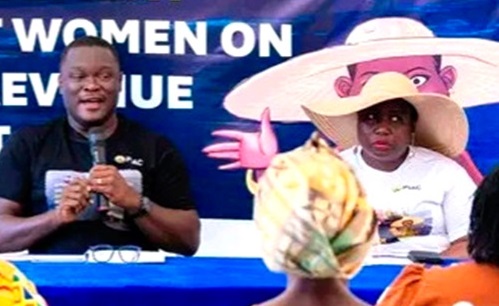
PIAC engages market women to explain oil-funded projects
The Public Interest and Accountability Committee (PIAC) has urged relevant authorities to put in place measures to enable market women to understand how the nation’s petroleum revenues have been used since oil production began in 2010.
That, it said, would ensure that women traders gained the knowledge required to participate meaningfully in revenue accountability conversations.
The call was made by the PIAC Chairperson, Richard Ellimah, last Friday during a meeting with market women in Accra.
The engagement brought together traders from the Madina Main Market, Adenta Market and Bohye Market.
The committee used the platform to explain its annual findings, clarify government spending of petroleum revenues and collect feedback from the traders.
Mr Ellimah, speaking with the Daily Graphic after the event, explained that market women’s experiences were often unrepresented in national discussions.
“We have intensified inclusivity efforts through community outreach programmes to ensure that market women no longer remain marginalised groups in national policy engagement,” he said.
He further emphasised that PIAC designed the session to give market women a safe and open space to seek explanations and raise questions about oil-funded projects.
Deepen local accountability
Mr Ellimah also called on Metropolitan, Municipal and District Assemblies (MMDAs) to intensify public education after the recent amendments to the Petroleum Revenue Management Act (PRMA) directed a portion of petroleum funds into the District Assemblies Common Fund.
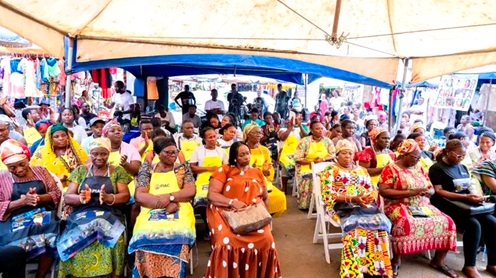
Some of the market women at the event
He argued that assemblies must explain oil-funded projects clearly to residents within their jurisdictions.
“Such transparency will allow citizens to question local expenditure and effectively hold public officials accountable,” he said.
The chairperson further revealed that PIAC planned to extend the outreach to other major markets once it secured additional support from development partners.
Addressing gaps
For her part, the Deputy Market Queen of Madina Market, Theresa Ansong, said significant information gaps existed between the market women and various regulatory bodies.
She also expressed concern over years of limited communication from institutions responsible for public education on petroleum revenue management.
“Nobody has engaged us to explain how our petroleum revenues have been used,” she said.
She also said that the women would always welcome simplified presentations, which broke down revenue figures to their understanding.
“We must break down the complex systems around petroleum revenues into local dialects so they can share their views and benefit from national resources,” she said.
