
Government turns to high-occupancy buses to ease congestion and urban stress
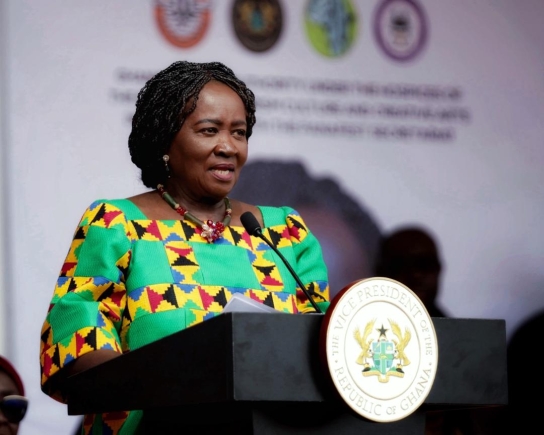
Vice President Prof. Naana Jane Opoku-Agyemang has linked the government’s planned support for the transport sector to wider economic productivity and social wellbeing, describing reliable public transport as central to national development rather than a mere convenience for commuters.
Addressing stakeholders in the transport sector on Friday, January 16, the Vice President said the supply of new high-occupancy buses to both public and private operators was intended not only to ease congestion but also to reduce the daily strain on workers, students and traders who depend on commercial transport to earn a living.
Her remarks come against the backdrop of growing public frustration over overcrowded vehicles, long waiting times and rising fares, challenges that have disrupted productivity in major urban centres.
Prof. Opoku-Agyemang said President John Dramani Mahama had directed that immediate steps be taken to strengthen existing transport systems, recognising their importance to economic activity.
“His Excellency has asked me to assure all of you that he will give support to Metro Mass, Aayalolo and the private sector with new high-occupancy buses in order to augment the services in the medium term,” she stated.
She explained that the intervention would be complemented by efforts to return grounded buses to service, noting that delays in repairing broken-down vehicles had significantly reduced fleet capacity in recent months.
“We also have plans to ensure that those that need to be repaired, the processes will be expedited to ensure they can put more buses on the road as soon as possible,” she added.
According to the Vice President, improving transport efficiency would help reduce congestion-related losses, cut commuting times and make urban life more predictable for households and businesses alike.
She said the government was committed to building a transport system that supports Ghana’s growing urban population, stressing that affordability, safety and reliability must remain central to policy decisions in the sector.
Beyond infrastructure and fleet expansion, Prof. Opoku-Agyemang appealed to transport operators to improve standards of service, urging them to place dignity and respect for passengers at the heart of their operations as the government works to stabilise and modernise public transport.
